In recent months, the landscape in Culiacán, the stronghold of the infamous Sinaloa Cartel, has changed drastically. Cartel operatives are reporting a heightened environment of fear following intensified government crackdowns on drug trafficking, especially fentanyl production. This new level of enforcement has forced cartel leaders to adapt their strategies, with some going into hiding and others halting operations altogether.
Cartel insiders share a newfound sense of vulnerability, as the threat of arrest or assassination looms larger. One leader confessed he is actively considering ways to protect his family in light of possible military intervention from the U.S. The realization that the United States is prepared to impose tariffs unless Mexico halts the flow of fentanyl has intensified pressure on drug traffickers.
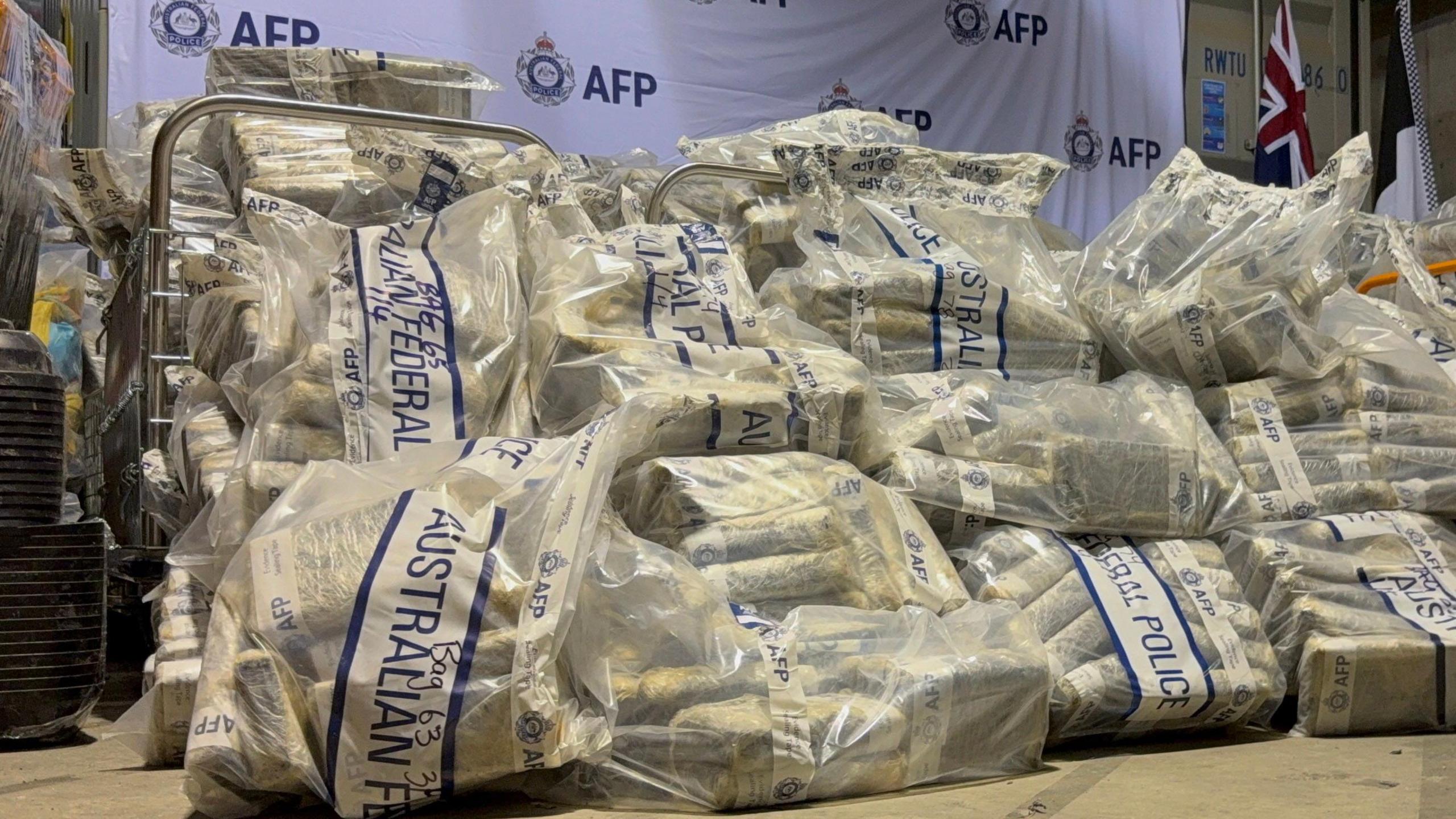
With the Mexican government's push against organized crime gaining momentum, even the higher-ranking members of the Sinaloa Cartel express their fears of capture. A high-ranking member admitted, "You can't be calm, you can't even sleep, because you don’t know when they’ll catch you." The once-mighty cartel is now struggling to maintain its grip on power as arrests, drug seizures, and lab busts continue to escalate.
As authorities ramp up their measures, some cartel members are opting to relocate their operations, temporarily shutting down labs in Sinaloa to evade law enforcement. The situation marks a significant turning point in a long-standing battle between Mexican cartels and authorities, highlighting how external pressures can reshape internal dynamics within these illicit organizations.
Cartel insiders share a newfound sense of vulnerability, as the threat of arrest or assassination looms larger. One leader confessed he is actively considering ways to protect his family in light of possible military intervention from the U.S. The realization that the United States is prepared to impose tariffs unless Mexico halts the flow of fentanyl has intensified pressure on drug traffickers.
With the Mexican government's push against organized crime gaining momentum, even the higher-ranking members of the Sinaloa Cartel express their fears of capture. A high-ranking member admitted, "You can't be calm, you can't even sleep, because you don’t know when they’ll catch you." The once-mighty cartel is now struggling to maintain its grip on power as arrests, drug seizures, and lab busts continue to escalate.
As authorities ramp up their measures, some cartel members are opting to relocate their operations, temporarily shutting down labs in Sinaloa to evade law enforcement. The situation marks a significant turning point in a long-standing battle between Mexican cartels and authorities, highlighting how external pressures can reshape internal dynamics within these illicit organizations.