In brief
In a dramatic shift, Serbian state media has begun covering large-scale protests against President Aleksandar Vucic, sparking tension with the governing party. While previously dismissive, the broadcaster’s recent factual reporting faces criticism from Vucic's party, which has relied on media control to maintain authority.
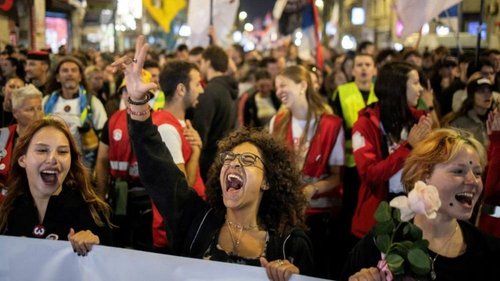
In a significant turn of events, tens of thousands of notable protesters paralyzed Novi Sad, Serbia’s second-largest city, by blocking three crucial bridges over the Danube River this past weekend. The protests, primarily led by students, erupted in response to grievances that have been simmering for months. What made the situation even more striking was the reaction from Radio Television Serbia — a state-run broadcasting service that had mostly remained silent over the last three months of demonstrations.In a departure from its usual editorial stance, the broadcaster chose to prominently feature the protests on its news bulletins, reporting on them without the previously used rhetoric framing demonstrators as tools of foreign intelligence or maligned opposition figures. This shift did not go unnoticed by the Serbian Progressive Party, led by President Aleksandar Vucic, which issued a firm rebuttal to the media's coverage. The Party condemned the broadcaster's “scandalous reporting,” claiming that it had “grossly abused the journalistic profession” by appearing to support the demonstrators.Vucic's party has historically maintained a tight grip on media narratives, enabling them to marginalize protest movements and uphold their grasp on power for over a decade. The recent change in coverage, however, signals a potential fracture in that control, as state media begins reflecting the sentiments of the populace rather than strictly toeing the party line.