In brief
Intense Arctic conditions are impacting Thanksgiving travel in the United States, with severe cold winds, heavy snow, and thunderstorms affecting regions nationwide.
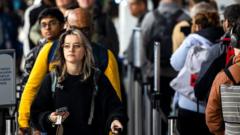
The US is bracing for a significant Arctic outbreak coinciding with the Thanksgiving travel rush, one of the busiest periods of the year for holiday travel. The National Weather Service (NWS) forecasts “dangerously cold wind chills” in northern Plains regions on Thursday. In the northeastern US, heavy snowfall is expected across areas including New England, while the East Coast may experience thunderstorms. These winter conditions have led to widespread travel disruptions, with tracking site FlightAware reporting thousands of flight delays and dozens of cancellations on Wednesday. Snowfall is anticipated in states such as Maine, New York, and across the northern Appalachians, according to BBC Weather forecaster Elizabeth Rizzini. Additionally, conditions are expected to worsen in the Midwest due to lake-effect snow and severe storms on Friday, with accumulations of several inches in some locales.As holiday travelers hit the road and air, the US Transportation Security Administration (TSA) indicates that passenger traffic during Thanksgiving week is on track to reach record levels. Nearly nine million individuals are anticipated to pass through airports on the busiest travel days—Tuesday, Wednesday, and the Sunday after Thanksgiving. An estimated 80 million Americans are expected to embark on road trips of at least 50 miles, encouraged by lower gasoline prices compared to the previous year, according to the insurance company AAA.On the West Coast, dense fog alerts are in place for parts of California and the Pacific Northwest, with freezing fog in Oregon and portions of Washington state. A recent winter storm has already affected these regions, bringing significant snowfall and high winds in higher elevations. Central California is still dealing with the aftermath of another atmospheric river event this week, following a similar incident the week before, while areas in the Pacific Northwest continue recovery efforts from last week’s bomb cyclone that caused flooding and power outages.