In brief
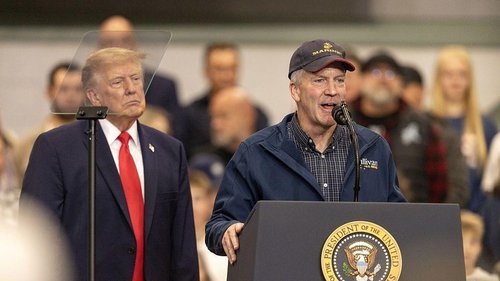
Former President Donald Trump is once again highlighting his fondness for tariffs, characterizing them as a powerful tool for revitalizing American manufacturing and reshaping global trade. At a recent rally in Pennsylvania, Trump declared that "tariff" is the "most beautiful word in the dictionary," indicating a return to barriers that could redefine the U.S. role in international economics. If re-elected, he has pledged an extensive and confrontational trade policy that would prioritize domestic production and challenge globalization.
Trump's administration previously employed tariffs to exert pressure on both adversaries and allies, and he now plans to escalate this approach dramatically. His strategy involves imposing steep tariffs on nearly all imports, particularly targeting China, which would affect approximately $3 trillion in goods. The intent is to elevate foreign product costs and encourage companies to bring manufacturing back to the U.S., framing tariffs as a solution to both economic disparities and funding shortcomings for social programs.The implications of Trump's tariff vision raise concerns among economists, who warn that such decisions could disrupt global markets and damage alliances, describing the move as a "grenade thrown in the heart" of the international trading system. As Trump continues to rally support for his economic policies, the potential fallout of his tariff strategies looms large on the horizon of global trade.