In brief
Lee Jae-myung, representing the Democratic Party, stands to become South Korea's next president as exit polls show him leading by a significant margin. His candidacy carries the weight of public discontent against former President Yoon Suk Yeol, following a tumultuous political period.
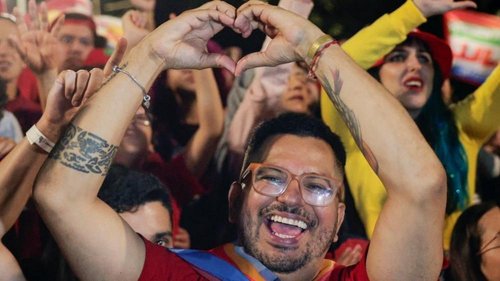
June 3, 2025, is witnessing a significant political event in South Korea as exit polls predict that Lee Jae-myung, the center-left candidate for the Democratic Party, will win the presidential election decisively. This comes after months of political instability, including the ousting of former President Yoon Suk Yeol for imposing martial law.According to a joint exit poll by the country's top television networks, Lee is projected to secure victory with approximately 51.7% of the vote, leading his closest rival Kim Moon-soo of the right-wing People Power Party, who is at 39.3%. The margin of victory is anticipated to be around 12 percentage points, suggesting strong public support for Lee's approach to governance.Voting concluded Tuesday at 8 PM local time, and results have historically been accurate in predicting presidential outcomes in South Korea. Voter participation was notably high, with turnout surpassing 79%, marking the highest since 1997. This indicates a profound engagement from the electorate following a period of political upheaval catalyzed by Yoon's attempt to use military force against opposition lawmakers.Lee Jae-myung's campaign has effectively capitalized on widespread anger towards Yoon, particularly focusing on his use of martial law and subsequent impeachment. If he secures the presidency, Lee will also lead a government with his party holding a legislative majority, which could provide him with significant power to enact reforms.The electoral conflict highlights key challenges ahead, with Lee promising to mend national divides, improve economic conditions, and foster balanced international relations, especially with China and North Korea, while maintaining a strong alliance with the United States. In contrast, Kim Moon-soo has indicated a continuation of Yoon’s foreign policy, which many view as divisive.Despite the public enthusiasm for Lee, potential uncertainties loom over his leadership due to ongoing legal challenges he faces, which he claims are politically motivated. A decision on whether these trials will be suspended if he takes office remains pending.As South Koreans engage with this transformative moment, analysts emphasize that the election could pave the way for a more stable political climate, potentially reviving the economy bolstered by greater investor confidence. Regardless of the outcome, the challenges surrounding deeply entrenched social issues and political divisions will require careful navigation by the next administration.In an atmosphere that saw protests against Yoon's administration just months ago, the shift towards Lee is seen not merely as a change in leadership but as a demand for a new political narrative focused on unity and progressive reforms in a country where divisive rhetoric has been prevalent.