In brief
The love for Arsenal Football Club in Uganda manifests through raucous celebrations and dedicated fan clubs, but the intense rivalry with other supporters, particularly Manchester United fans, has led to tragic incidents and violence. Stakeholders call for a renewed focus on local leagues to harmonize fan culture.
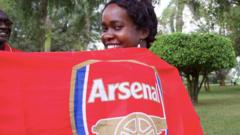
Arsenal fans in Uganda have shown immense passion, ceaselessly celebrating their team's recent triumphant 3-0 victory over Real Madrid in the Champions League quarter-finals. Across the East African nation, celebrations lasted late into the night outside bars and video halls, demonstrating an enthusiasm that might lead one to believe Arsenal was a homegrown team. Uganda boasts a vibrant football culture, and alongside Manchester United, Arsenal is among the most popular clubs in the country. Pre-match church services filled with fans adorned in Arsenal colors and prayers for the team’s success illustrate the fervor with which Ugandans support the club. This has birthed a thriving industry, with merchandise sales skyrocketing and companies targeting advertising to fans, while sports betting companies revel in the excitement surrounding match days.Veteran sports journalist Isaac Mumema emphasizes the unparalleled enthusiasm in Uganda for soccer. On the ground, sport fans actively engage in conversations through digital platforms, holding seemingly endless debates over club performances. Yet, the two main factions, Arsenal and Manchester United supporters, have historically clashed, leading to arrests during rival victory parades. Tragically, football-related violence remains a harsh reality, with recent events leading to loss of life. Instances where fans have been killed or have resulted in fatal altercations during or after matches suggest a darker side of this sporting passion. Experts surmise that the competitive nature of matches, exacerbated by gambling culture, has intensified these confrontations, with high-stakes betting leading to emotional extremes.Local experts argue that football should symbolize joy and entertainment, not a living. While many see betting as a route to quick financial relief amid high unemployment rates, it has escalated tensions, with fans often intoxicated during matches, increasing the potential for violence. Additionally, the perception of rivalry in fan demographics is clear; younger, economically disadvantaged fans frequent pubs and betting shops, while older fans tend to support clubs that offer less volatile environments. This divide raises concerns about how to channel Uganda’s profound love for football into a safer, more inclusive culture. In a bid to rectify the situation, stakeholders propose promoting local football and invigorating support for the domestic league to lessen the overwhelming attention on international matches. With calls for unity, former players and officials rally for more public engagement in local games, envisioning a revival of community sports spirit. As Arsenal maintains hopes for Champions League success, local sentiment continues to pulse strongly, reminding us that despite the fervor, football should unite rather than divide.