In brief
After enduring hurricane-strength winds that fueled major wildfires in Los Angeles, firefighters are receiving relief as conditions improve. The Eaton and Palisades fires have caused significant destruction, leading to loss of life and property. However, as red flag warnings are lifted, a cautious outlook remains as the risk remains elevated with potential winds returning next week. Climate change's role in exacerbating these fires has come under scrutiny.
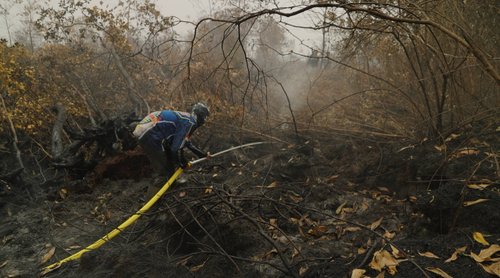
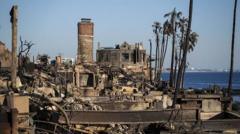
Firefighters battling two destructive wildfires in Los Angeles are finally getting a break as the intense winds that have complicated rescue efforts show signs of weakening. The two blazes, known as the Eaton and Palisades fires, have devastated a combined area of around 40,000 acres for more than nine days, leading to at least 25 fatalities and the destruction of over 12,000 structures in one of the gravest fire emergencies ever experienced by the city. Despite the reduction in wind intensity, officials warn that fire warnings remain in place for parts of Southern California due to ongoing elevated risks. The National Weather Service is vigilant, predicting potential return of Santa Ana winds early next week, which could reactivate red flag warnings with gusts of 30-50 mph (48-80 km/h). Progress has been made in containing the fires, with the Palisades Fire, now covering 24,000 acres, being held at 20% containment. The situation appeared steady, with no new fire growth reported. Fire officials are prioritizing safety amid the hazards still posed by extreme heat surrounding the fire's perimeter. Tragically, most fatalities have been linked to the Eaton Fire in northern Los Angeles, which has consumed over 14,000 acres and is now 45% contained. While some evacuees have been allowed to return home, thousands remain under mandatory evacuation orders, and nighttime curfews are in effect.A recent study by climate scientists has indicated that human-induced climate change has intensified the meteorological conditions leading to these wildfires, causing them to become warmer, drier, and windier compared to previous years. As the fires continue to burn, affected communities grapple with the aftermath of significant damage amid ongoing questioning of the role of climate change in these catastrophic events.