In brief
Kim Jong Un uses the warship's mishap to reinforce loyalty and reshape propaganda tactics, paving the way for a nuclear-armed navy.
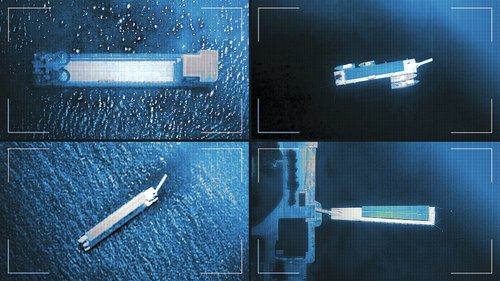
Last month, the launch of North Korea's new warship grabbed international attention as it spectacularly capsized during its unveiling. Despite there being no casualties and minimal damage to the hull, the incident has sparked significant scrutiny into Kim Jong Un's response, which suggests broader implications for the regime's agenda.In the wake of the mishap, Kim denounced the event as a "criminal act," expressing outrage over the damage to the nation's "dignity." He insisted on immediate repairs and action against officials deemed responsible, with four party members reportedly arrested. This reaction suggests a strategic approach aimed at asserting control and loyalty within his regime.Analysts emphasize the importance of constructing a formidable naval force equipped with nuclear capabilities. While North Korea boasts a growing and sophisticated nuclear arsenal, its naval power remains significantly inferior compared to regional rivals like the U.S., South Korea, and Japan. As retired South Korean naval captain Choi Il noted, this warship represents a crucial step in Kim's ambition to modernize his navy, which has traditionally relied on outdated vessels.The capsizing incident, occurring during a launch ceremony attended by Kim and other dignitaries, showcased a humiliating moment for the leader, drawing attention to North Korea's shipbuilding limitations. However, observers such as Rachel Minyoung Lee highlight that the regime's decision to publicly address this setback might signal a shift in propaganda tactics, focusing on accountability rather than concealment.This new approach allows the regime to demonstrate its problem-solving capabilities while reinforcing loyalty among citizens. By publicly addressing failures, Kim aims to highlight the regime's resilience, further strengthening public faith in his leadership and the nation's ambitions.Remarkably, the warship was repaired in just over three weeks, a testament to North Korea's ability to pivot from failure to political success. This quick turnaround was framed not just as a triumph but as a reinforcement of ideological loyalty, with Kim praising the sacrifices of workers involved in the ship's construction.Experts assert that Kim's strategic use of this event indicates how he is redefining leadership narratives in North Korea, moving away from portraying himself as infallible towards acknowledging collective challenges that the regime can overcome.Ultimately, the warship incident reveals not only the regime's commitment to expanding its naval capabilities but also Kim Jong Un's adeptness in controlling the narrative, assuring the public that significant military advancements are forthcoming. Observers warn, however, that as North Korea pushes to enhance its naval capacities, vigilance is essential given the regime's intentions of broadening its operational reach on the world's oceans.