In brief
Zimbabwean writer Simbarashe Kundizeza has denied allegations that the Caine Prize‑winning short story "The Blue Fighter" was crafted with artificial intelligence. The claims, raised by The Atlantic after Pangram software flagged the text as AI‑generated, sparked backlash and a call for an internal review by the Caine Prize board. Kundizeza argues he authored every draft, basing his narrative on a poem about fish tanks and his own family’s history. Critics highlight the limitations of AI‑detector tools and accuse the literary world of disproportionately targeting black writers. The incident fuels a broader debate over originality, AI use in creative writing, and the need for careful verification before publishing blame.
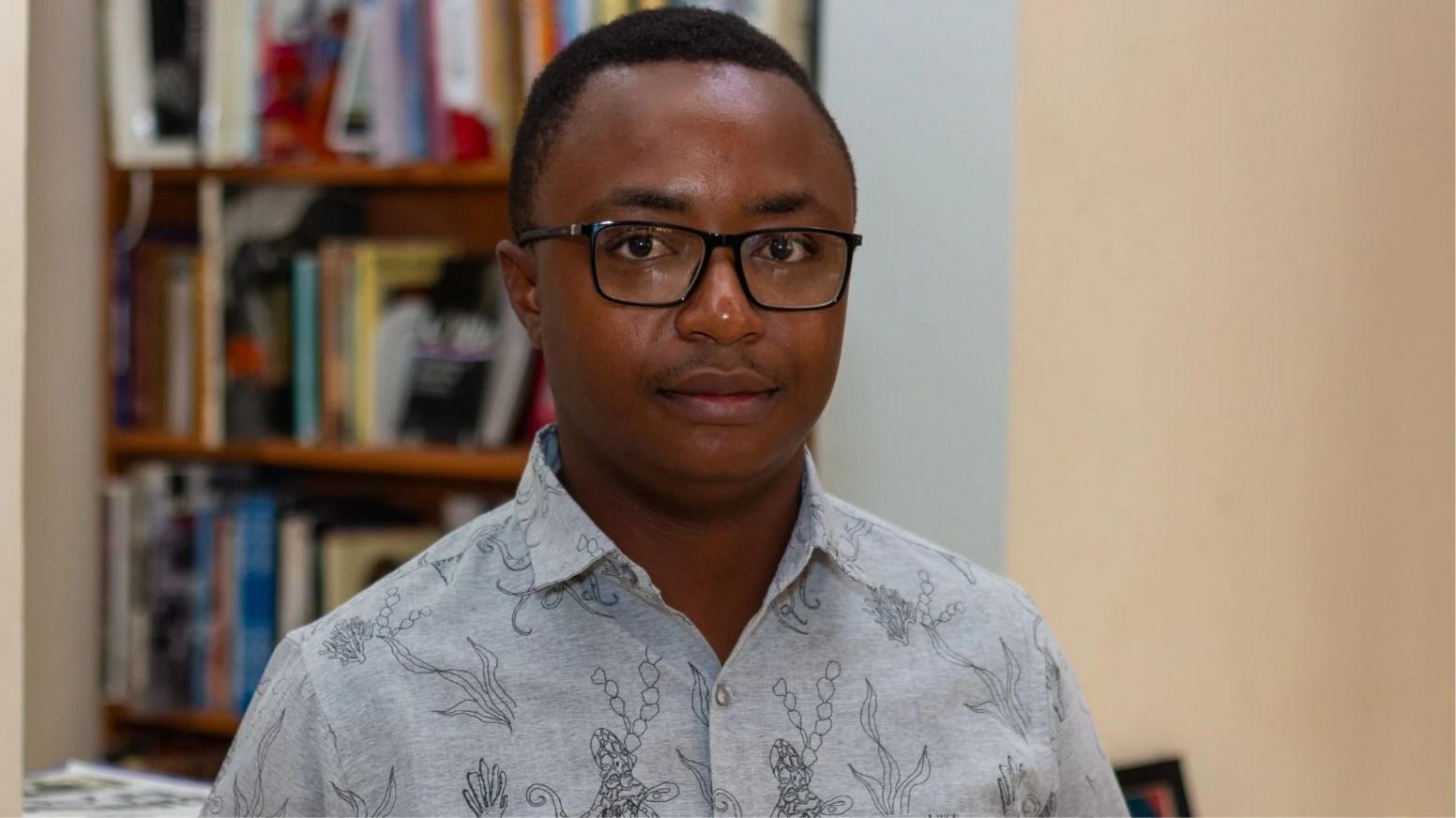
Simbarashe Kundizeza has come under fire for accusations that the award‑winning short story "The Blue Fighter" was generated by artificial intelligence. After the piece clinched the £10,000 Caine Prize for African Writing, an article in The Atlantic claimed that the text had been identified as AI‑produced by the Pangram detection tool.
In a statement posted on X, Kundizeza made it clear: "For the avoidance of doubt, I wrote The Blue Fighter." The writer underscores that the story was inspired by a poem about fish‑tanks and intertwined with his own family’s struggles in Zimbabwe.
"I wrote The Blue Fighter," the author wrote, refusing to admit any machine help.
The controversy prompted the Caine Prize chair, Ellah Wakatama, to call for a full investigation. Wakatama said the prize’s panel would review Kundizeza’s drafts and seek testimony from judges and the original publication, the Shallow Tales Review. She noted that the agency had not yet fully verified the AI‑detector findings and that the technology is “not yet tested” for perfect accuracy.
Parallel incidents this year—such as Trinidadian writer Jamir Nazir and Canadian‑Haitian author Thélyson Orélien—have reinforced critics’ fears of a pattern of AI accusations disproportionately aimed at writers of colour. Nigerian publisher Modupe Daramola and fellow writers on X have highlighted the “sinister” nature of the investigations and questioned why AI‑detectors are being used as final arbiters in literary recognition.
"Pangram is itself AI‑powered. Why should its assessment be treated as definitive?" Daramola wrote on Twitter.
Wakatama explained the board’s approach: the Caine Prize does not routinely check works for AI but relies on writers’ guarantees of originality. However, she expressed openness to using AI tools as a preliminary signal for deeper human evaluation, cautioning that the evidence is incomplete.
In defence of his craft, Kundizeza cited his record: "The previous 2021 story I wrote, I folded into Pangram and it came out 100% human. It shows my voice can change over time without technology.” He added that the thematic shift—moving from a river scene to a tense family kitchen—illustrates narrative evolution rather than external intervention.
Azimuthal work also recalls the debate over the authenticity of contemporary fiction. In the early 2020s, AI‑generated novels appeared on bestseller lists, causing novelists and critics alike to question the thresholds of authorship. The current dispute is the latest chapter, reminding readers and judges alike that discerning human voice from algorithmic output remains a nuanced and evolving challenge.
Readers can follow FlashPoint’s AI‑insights alerts for the latest updates on technology in media and creative industries.