In brief
Volodymyr Zelensky arrived in Oslo to meet U.S. special envoy Steve Witkoff ahead of high‑stake negotiations. Relations between Kyiv and Washington have frayed, with Secretary of State Marco Rubio condemning claims that the U.S. is withholding crucial military intelligence. Zelensky’s talks focus on securing early warning systems, missile interceptors and a stable Starlink network, while European allies hope to guide the talks toward a diplomatic resolution. Russia’s Kremlin has expressed appreciation for mediation efforts, and the U.S. remains in dialogue with Moscow on sanctions relief. Key issues include the pending delivery of Patriot interceptors, the integrity of Starlink communications, and Washington’s stance on Ukraine’s strategic positioning.
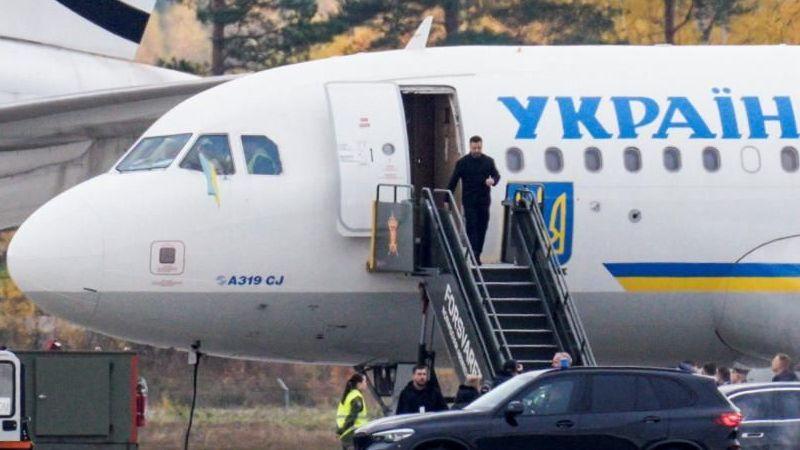
Volodymyr Zelensky landed in Oslo on Tuesday, heading for a tense meeting with U.S. special envoy Steve Witkoff as Washington‑Kyiv relations strain sharply.
Prime Minister Jonas Gahr Støre said the push for talks was prompted by Ukraine’s plea for coordinated support, highlighting the urgency of a constructive path forward. Witkoff will join via video link to U.S. President Donald Trump’s son‑in‑law Jared Kushner, alongside European leaders from Finland, the UK, Poland, France, Germany and NATO.
U.S. Secretary of State Marco Rubio rebuked accusations that intelligence was being withheld, calling the claims “scandalous” and “outrageous.” He added that although some systems were delayed, no deliberate cover‑up occurred. The denial comes after Ukraine’s chief military adviser, Serhii Beskrestnov, warned that unreliable early warnings cost lives.
Core topics include early warnings, missile interception, and reliable Starlink internet. A U.S. bipartisan group last week urged an investigation into Starlink disruptions; meanwhile, the delivery of Patriot interceptors remains pending.
Russia’s spokesman Dmitry Peskov praised—or at least did not deny—American mediation; Peskov said Moscow would welcome future discussions. The U.S. has yet to confirm the arrival of all requested equipment for Ukraine, but no explicit refusal was made. EU and NATO leaders remain concerned about shifting U.S. attitudes, with some European officials noting the cash burden as the U.S. has not paid for Ukraine’s defence since early 2025.