In brief
The legislation aims to boost the economy while facing criticism from Indigenous groups and environmental advocates concerned over reduced consultation processes.
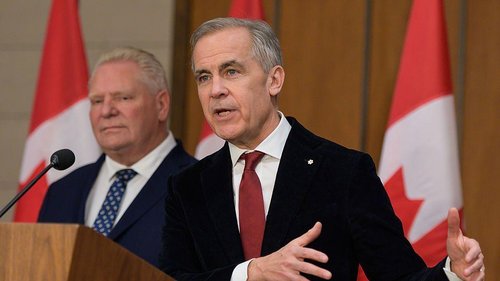
In a significant development, Canada’s parliament has officially passed the One Canadian Economy Act, granting Prime Minister Mark Carney's government the authority to accelerate major national projects. The law, which received Senate approval on Thursday, enables the cabinet to expedite approvals and bypass certain federal regulations for projects deemed beneficial to the economy. Proponents argue that this legislation is crucial for reducing Canada’s economic reliance on the United States, especially in light of recent trade disputes fueled by President Donald Trump’s tariffs, which have affected Canadian steel, aluminum, and automotive sectors. The proposed projects, while not explicitly outlined in the act, may include the construction of energy infrastructures such as pipelines and electricity grids, along with the expansion of mines and ports. Carney stated that the initiative aims to "remove trade barriers, expedite nation-building projects, and unleash economic growth, with Indigenous partnership at the heart of this growth."Despite its economic ambitions, the act has faced significant pushback from Indigenous communities and environmentalists. There are concerns that the expedited nature of project approvals could suppress dissenting voices. Indigenous leaders, in particular, worry about insufficient consultation regarding projects that might infringe on their rights and lands. Senator Paul Prosper of Nova Scotia, who belongs to the Mi'kmaq Indigenous group, unsuccessfully sought to implement an amendment that would require prior consent from Indigenous groups before any project could proceed.He criticized the rapid passage of the law, emphasizing the need for more extensive consultations, stating, "We do not want success and progress to come on the backs of Indigenous Peoples." Supporters of the bill, such as Senator Hassan Yussuff, defended the quick approval process, asserting it was a necessary response to an "urgent and immediate crisis." The government has pledged to engage with Indigenous peoples before any project is fast-tracked, but the effectiveness of these consultations remains to be seen as the act is implemented. The move marks a significant victory for Carney, aligning with his campaign promises to dismantle interprovincial trade barriers before Canada Day on July 1. As the country moves forward, the interplay between economic ambition and Indigenous rights will be a critical issue to watch.