In brief
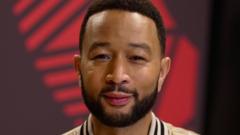
In a recent interview, John Legend remained steadfast in defending his performance at a concert in Rwanda, despite widespread criticism tied to the country’s alleged support for rebels in the ongoing conflict in the Democratic Republic of Congo (DRC).
John Legend, the acclaimed American singer-songwriter, has spoken out against the criticism regarding his recent concert in Rwanda amidst escalating conflict in the neighboring Democratic Republic of Congo. In an interview with the BBC, Legend expressed that he should not be blamed for Rwanda's political stance. "I don't believe that we should punish the people of Rwanda and punish the people of other countries when we disagree with their leaders," he stated.His concert last week was overshadowed by the intensified fighting in the eastern DRC, where M23 rebels, reportedly backed by Rwanda, captured major cities. Critics of Legend argue that his presence in Rwanda could have served as a powerful message against the actions of its government. Notably, fellow musician Tems chose not to participate in the concert, citing sensitivity to the ongoing crisis.Despite the backlash, which included social media outrage forcing him to remove promotional posts, Legend defended his performance at the Move Afrika event, organized by Global Citizen. He highlighted his commitment to nurturing African touring opportunities, stating his performance was a contribution towards that goal rather than a paid engagement.A convicted advocate for social justice, Legend has previously expressed his political views, including criticism of former U.S. President Donald Trump. However, his current situation has ignited discussions about the implications of international artists performing in nations with controversial human rights records. Some activists contended that appearing in Rwanda could be perceived as tacit approval of the government’s actions.The ongoing debate surrounding Rwanda’s relationship with influential global figures is deeply intertwined with claims of "sportswashing" in the country, drawing attention to how positive international engagements could overshadow serious local human rights issues. As history shows, while some celebrities can shed light on critical issues through their platform, others face scrutiny for their choices in politically charged environments. The discourse continues as artists navigate these complex landscapes while prioritizing their contributions to local artistry and culture.