In brief
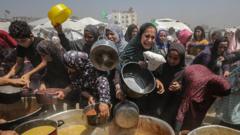
The Integrated Food Security Phase Classification (IPC) has issued a stark warning regarding the dire food security situation in Gaza, indicating that approximately 2.1 million Palestinians are in jeopardy of famine due to an Israeli blockade limiting humanitarian aid. The IPC's recent assessment highlights a drastic decline in food security conditions since October 2024, with approximately 244,000 individuals currently categorized as experiencing "catastrophic" levels of food insecurity.
The report attributes this deterioration primarily to resumed military operations by Israel on March 15, which has resulted in a blockade preventing crucial food, medical supplies, and other aid from reaching the region for over 70 days. The two-month ceasefire earlier was seen as a temporary relief but did little to mitigate the underlying crisis.The report underlines that an alarming 93% of Gaza's population—about 1.95 million people—now face significant food insecurity, with nearly one in five residents experiencing starvation-like conditions. Additionally, it forecasts that approximately 71,000 children under five years old are expected to suffer from acute malnutrition within the next year.Aid agencies have condemned the blockade, labeling it a potential war crime and a deliberate act of starvation. As the humanitarian situation worsens, many families have resorted to desperate measures such as begging and scavenging for food. In parallel, an Israeli official dismissed claims of a hunger crisis, citing the quantity of aid provided during the previous ceasefire. Meanwhile, efforts for a renewed ceasefire are underway as Hamas has committed to releasing an Israeli-American hostage, Edan Alexander. However, Israeli officials maintain there is no agreement for a ceasefire at present.The IPC's findings come at a critical juncture where international outcry continues to grow over Israel's aid strategy, which critics argue is heavily inadequate and risks weaponizing humanitarian assistance to leverage geopolitical advantages.As the Israeli military continues its operations, the humanitarian crisis in Gaza remains dire, with a potential escalation of violence looming if diplomatic efforts do not yield results.In recent months, the ongoing war—ignited by Hamas's attack on Southern Israel in October—has left over 52,000 casualties in Gaza, according to the health ministry there. The urgent need for humanitarian intervention has never been more apparent as the population battles an entrenched food crisis alongside a complex backdrop of geopolitical tensions.