In brief
In a recent Senate hearing, members of the University of Wisconsin System Board of Regents addressed the firing of Jay Rothman, the system president, arguing that Rothman was slow to respond to pressing issues, particularly regarding artificial intelligence. Regents unanimously decided to fire Rothman during a closed session, countering his claims of being blindsided by the decision. They stated he was aware of significant concerns about his leadership, including a lack of urgency and limited transparency in engaging with key stakeholders. Regent President Amy Bogost emphasized the decision was made with careful consideration and was not politically motivated.
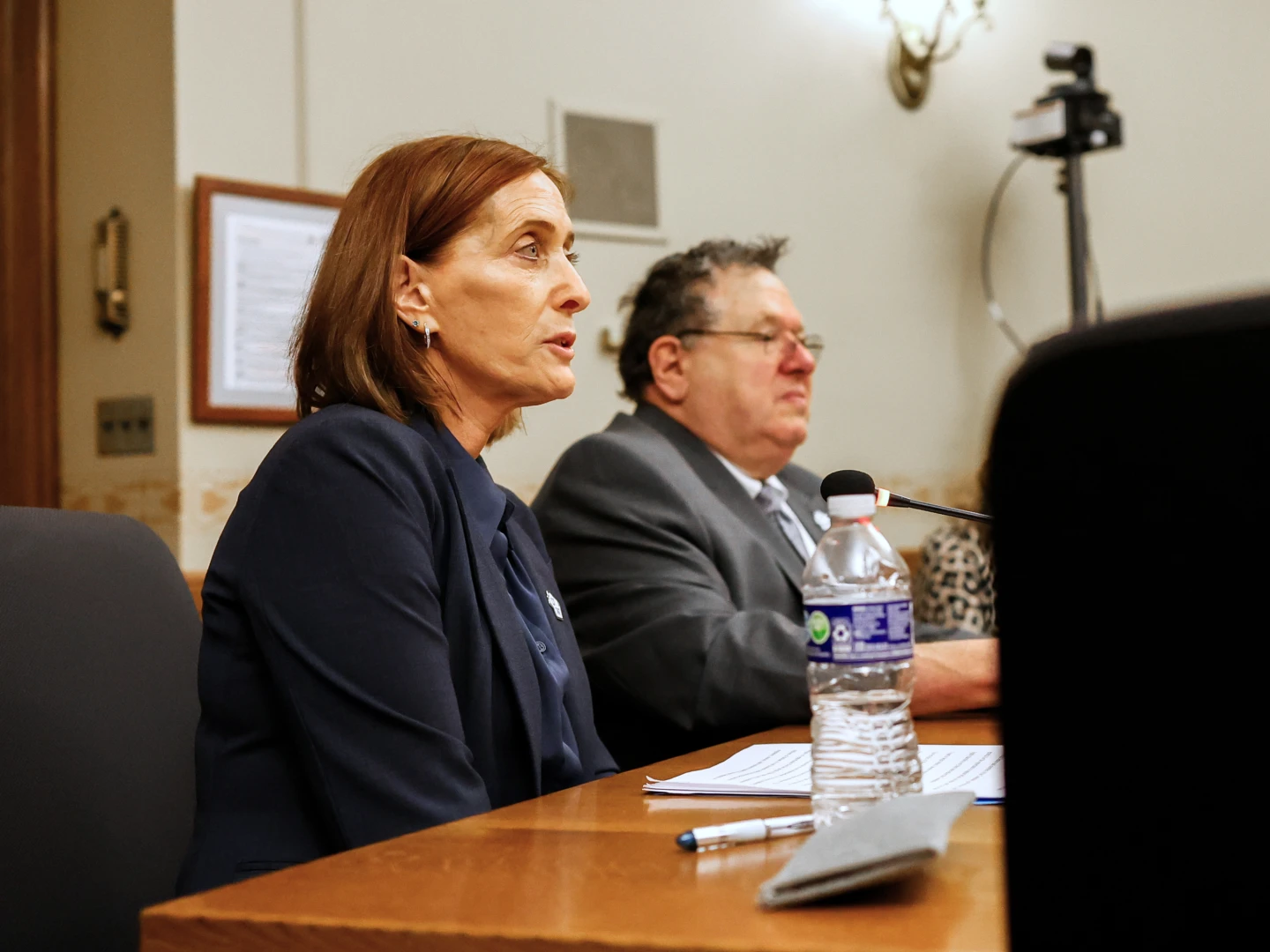
MADISON, Wis. (AP) — Leaders on the board that oversees the Universities of Wisconsin rebuffed fired president Jay Rothman's assertion that he was blindsided by their decision to oust him. During a state Senate committee hearing on Thursday, they emphasized that Rothman was slow to respond to pressing issues such as artificial intelligence and had concerns about upsetting faculty and lawmakers.
The board of regents had remained largely silent until this hearing about Rothman's sudden dismissal as the leader of the university system, which serves 165,000 students. The regents unanimously voted to fire Rothman after a closed-door meeting without any public discussion.
In an interview with The Associated Press, Rothman expressed his feeling of being kept in the dark about the reasons for his termination, stating he was blindsided by the decision.
However, regents testified that Rothman was aware of substantial issues influencing the board's decision. Regent President Amy Bogost affirmed that the choice was not taken lightly, emphasizing it was made for valid reasons, and was not politically driven.
Rothman's handling of critical challenges, including his perceived lack of urgency in addressing artificial intelligence and reluctance to engage publicly with the board and legislature, were among the reasons raised by the regents.
Regent Timothy Nixon remarked that Rothman attempted to limit board discussions and contact between board members and lawmakers, and he lacked a clear justification for the university's staffing levels.
He didn’t want to upset the apple cart, Nixon said. And quite frankly, I think the apple cart needs some upsetting. On the other hand, the board suggested Rothman could ease the confidentiality around personnel decisions to foster transparency but noted that he has chosen to maintain that confidentiality as a means to control the narrative.
Overall, this saga underscores ongoing tensions between university leadership and state lawmakers regarding governance in higher education and how institutional issues are addressed.