Following Donald Trump's second inauguration on January 20, 2025, and his decision to pardon approximately 1,500 individuals convicted related to the January 6 Capitol riot, former Capitol Police officers are grappling with the consequences of these actions. Officer Aquilino Gonell found himself inundated with calls from law enforcement officials after the pardons were announced, revealing the harsh reality that many rioters he testified against were being released.
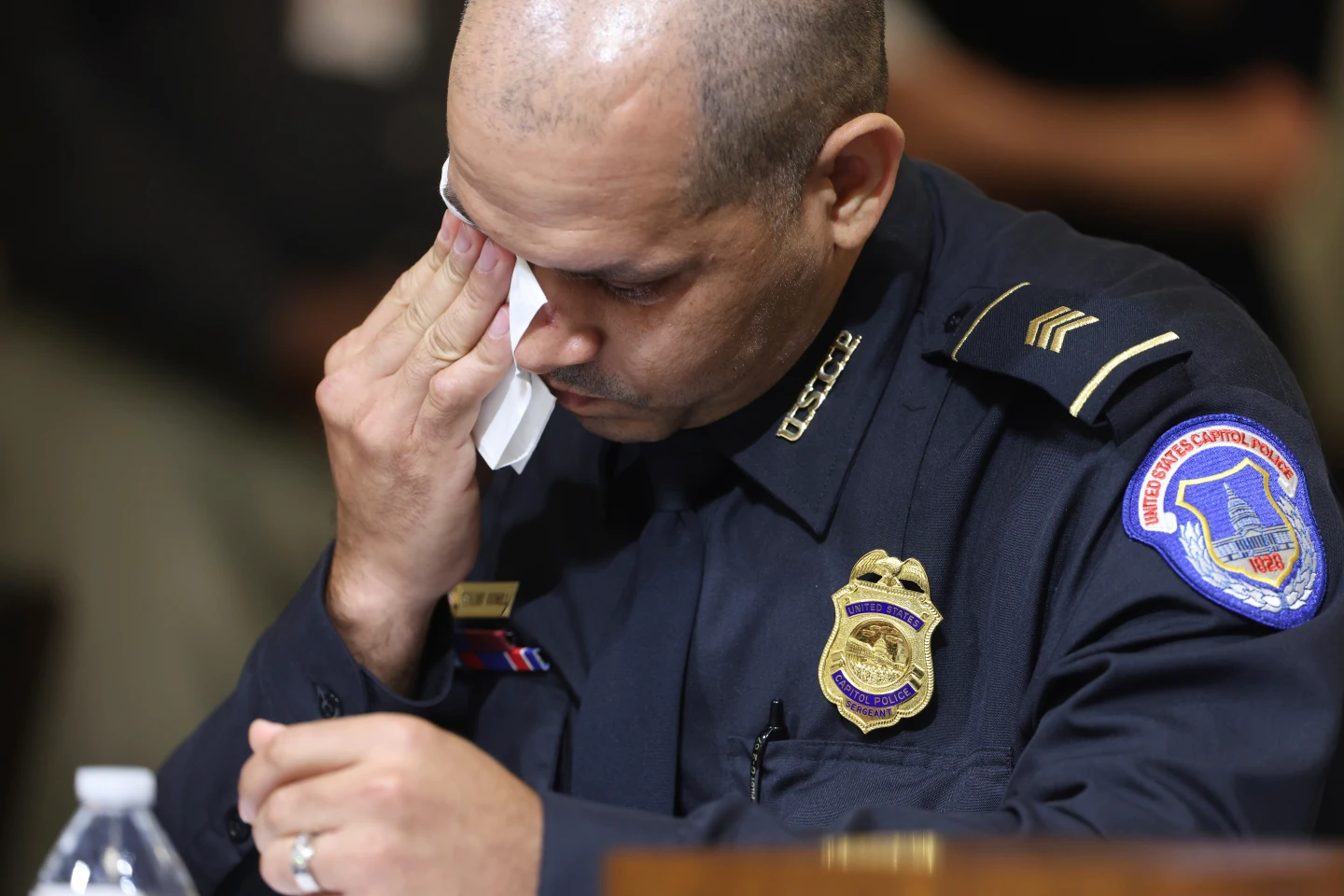
As one of the officers who defended the Capitol, Gonell suffered tremendous physical and emotional trauma during the insurrection, which saw violent clashes with rioters who aimed to disrupt the certification of the 2020 election results. They told me that people I testified against were being released from prison,” Gonell reflected, expressing feelings of injustice and loss.
Five years post-siege, Gonell, along with fellow officers, shares the emotional scars left by their defense of democracy against violent attackers. The perception of these events continues to haunt them, especially as political narratives downplay the violence they faced. Former officer Daniel Hodges, injured during the skirmishes, echoed similar sentiments, stating, “It’s been a difficult year.”
Despite efforts to address these issues, including improved departmental support and training, many officers feel isolated in their experiences, struggling against a landscape where public and political perception remains contentious. I think that was wrong,” said Adam Eveland, another officer who fought the riots, regarding the pardons. His ongoing battle lies not only with his PTSD but also with the need to convince others of the severity of the January 6 events.
As these officers navigate their trauma, they aim to share their stories, hoping for a better understanding from the public. The resilience of Gonell, Hodges, and others highlights an ongoing struggle for recognition and healing in the face of political decisions that affect their lives and careers.