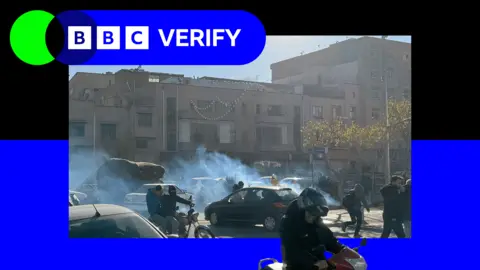
Protests have broken out in at least 17 of Iran's 31 provinces, presenting the largest challenge to the country's clerical establishment since 2022, a BBC Verify and BBC Persian analysis has found. The BBC's analysis of protests includes only those for which we have verified video footage—the true number is almost certainly far higher. Reports suggest protests are occurring in a further 11 provinces.
The wave of protests has spread rapidly across Iran since December 28, when anger initially broke out in the capital Tehran following a sharp devaluation of the country's currency against the dollar. Verified footage from the last 10 days confirms anti-government demonstrations in over 50 towns and cities, including regions known for their loyalty to the state.
More than 100 videos geolocated and checked for publication date highlight the unrest, which challenges the authority of the state in particular areas. Professor Sina Azodi from George Washington University commented on the significance of protests in cities like Qom and Mashhad, indicating widespread economic hardship is affecting even the government's traditional support base.
Authorities typically respond with violence to suppress dissent. Although initial police responses appeared more restrained than in past protests, recent footage has shown a ramp-up in force, coinciding with Supreme Leader Ayatollah Ali Khamenei's remarks urging law enforcement to take action against rioters.
So far, at least 11 fatalities have been confirmed since December 28, with human rights group HRANA reporting at least 35 dead amidst the unrest. The protests have escalated from economic grievances to direct anti-regime sentiments, including chants against Khamenei and support for exiled figures from Iran's pre-revolutionary past. Nonetheless, despite audacious expressions of dissent, experts suggest the current demonstrations have not yet evolved into an existential threat to the Iranian state.
The wave of protests has spread rapidly across Iran since December 28, when anger initially broke out in the capital Tehran following a sharp devaluation of the country's currency against the dollar. Verified footage from the last 10 days confirms anti-government demonstrations in over 50 towns and cities, including regions known for their loyalty to the state.
More than 100 videos geolocated and checked for publication date highlight the unrest, which challenges the authority of the state in particular areas. Professor Sina Azodi from George Washington University commented on the significance of protests in cities like Qom and Mashhad, indicating widespread economic hardship is affecting even the government's traditional support base.
Authorities typically respond with violence to suppress dissent. Although initial police responses appeared more restrained than in past protests, recent footage has shown a ramp-up in force, coinciding with Supreme Leader Ayatollah Ali Khamenei's remarks urging law enforcement to take action against rioters.
So far, at least 11 fatalities have been confirmed since December 28, with human rights group HRANA reporting at least 35 dead amidst the unrest. The protests have escalated from economic grievances to direct anti-regime sentiments, including chants against Khamenei and support for exiled figures from Iran's pre-revolutionary past. Nonetheless, despite audacious expressions of dissent, experts suggest the current demonstrations have not yet evolved into an existential threat to the Iranian state.