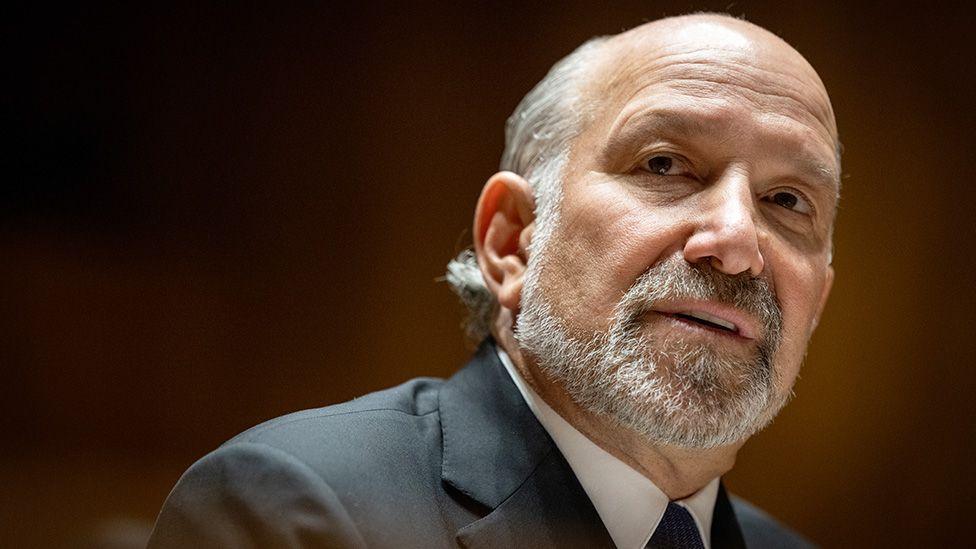
The story goes back less than a decade, but the impact is still unfolding. In the summer of 2025, the US announced Howard Lutnick, a former heart‑of‑Wall‑Street trader, as its new Secretary of Commerce. Almost a year later, a sporadically‑quoted British whistleblower, Simon Andriesz, presented a dossier of evidence that nothing short of scandal was hidden underneath Lutnick’s brief tenure with the infamous financier, Jeffrey Epstein.
Andriesz, a former managing director for a major Wall Street brokerage, had spent months combing through 3.5 million pages of leaked Epstein paperwork. He came upon an email chain from 2018 that showed Lutnick and Epstein exchanging drafts about a digital advertising company—Adfin—of which both men allegedly held stakes. The exchange was simple but impossible to filter: “What do you think the prospects are for Adfin?” asked Epstein. Lutnick’s reply confirmed the company’s ambitions, but the very existence of the dialogue hinted at undisclosed financial entanglements.
After revealing the data to House Oversight, a top US congressional committee, Lutnick was called in for a confidential hearing. He acknowledged “I unequivocally condemn the conduct attributed to Jeffrey Epstein and everyone who participated in his illegal activities,” but maintained that he had been unaware until this year that Epstein had been an investor.
The plot thickened when Andriesz unearthed a 2012 snapshot of Lutnick and Epstein on the private Caribbean island of Little St James—unseen by mainstream media until the Epstein files were released. The image alone raised serious questions about the nature of their relationship.
Yet another layer of intrigue surfaced regarding Lutnick’s involvement with Prince Andrew and former princess Sarah Ferguson. The files indicated that Cantor Fitzgerald, through Lutnick, had devised a plan in 2013 to “buy a prince,” a scheme that would lend the firm a gold‑plated advantage as the only broker for the prince’s contacts. The proposal involved a £1 million loan to a firm controlled by Andrew Mountbatten‑Windsor, set to obligate him to channel wealth into Cantor’s operations. Epstein himself warned against the deal’s exclusivity, but the discussions lasted only a few months before the project stalled.
Despite the evidence and a slew of angry letters from left‑leaning committee members demanding Lutnick’s resignation, the Commerce Department dismissed the claims as “a desperate partisan distraction.” The Department asserted that Lutnick had complied with all legal obligations and that no wrongdoing could be proven.
Andriesz, who now resides in a quiet Cornish seaside village, contends that the side‑effects of the fallout—financial losses, career damage and health problems—have not been addressed by any regulator in either the US or UK. The case underscores the difficulty of policing high‑profile officials who skirt scrutiny through opaque business practices.
At its core, the controversy raises larger questions: Can a former Wall Street veteran’s hidden relationship with a disgraced sex‑criminal truly be ignored? And can the powerful clerics of the US government demonstrate accountability when the evidence is suddenly exposed by an outsider?