In brief
King Haakon VIII has officially taken the Norwegian throne following the death of King Harald V. Educated in state schools and the Royal Navy, he has long acted as the heir apparent, breaking new ground as a modern monarch in a time of heightened public scrutiny. The current monarchy faces public controversies—from accusations tied to former Queen Mette‑Marit’s friendship with Jeffrey Epstein to the conviction of her son, Marius Borg Høiby—raising questions about how Haakon will preserve the public’s trust. Polls show mixed feelings about the monarchy’s future, yet many still see Haakon as the next generation to carry forward Norway’s tradition of “Everything for Norway.” The king’s reign will be defined by how he responds to these controversies and the health challenges of his wife, who recently underwent a lung transplant.
King Haakon VIII ascends Norway’s throne
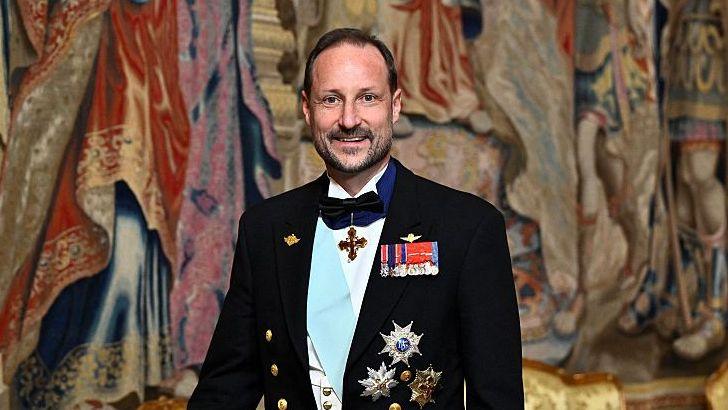
King Haakon VIII has officially taken the Norwegian throne following the death of his father, King Harald V. The new monarch is the fourth king to lead Norway’s restored monarchy after independence from Sweden in 1905.
Born in 1973, Haakon grew up in a comfortable, traditional royal environment but was educated in state schools and pursued a four‑year naval career, graduating from the Royal Naval Academy in 1995. In the 1990s he studied political science at the University of Berkeley before returning to Norway.
In 1999 Haakon met his future wife, Mette‑Marit, at a music festival in Kristiansand. Their marriage in 2001 was marked by intense media scrutiny because Mette‑Marit was a commoner, sparking debate about the relevance of a crown prince’s link to the “ordinary” people. Over the years the royal couple has earned affection for Mette‑Marit's public work in HIV support and literacy, and for her handling of a pulmonary fibrosis diagnosis in 2018.
Haakon’s reign arrives at a time of several scandals that have intensified scrutiny on the royal family. In 2024, Mette‑Marit publicly apologized for a friendship with convicted sex offender Jeffrey Epstein, and her son, Marius Borg Høiby, is facing a rape conviction. Haakon, while acting formally as a regent in his father’s absence, has had to quell rumors and defend the monarchy’s integrity. His approach to these controversies could shape Norway’s public trust over the coming decades.

Public opinion is mixed. Some polls indicate that nearly half of Norway’s population were uncertain about the crown princess’s future role, yet many support the monarchy’s modern outlook. A recent lung transplant required for Mette‑Marit’s health adds a layer of personal stakes for Haakon: the next 12‑months will see the royal household balancing public duties with family care.
As he steps into the throne, King Haakon VIII faces a challenging path. The extent to which his handling of scandals—such as the Epstein affair and the Høiby conviction—will affect his legacy remains to be seen. But experts suggest that his ability to remain transparent and to manage the succession without compromising public trust will determine Norway’s future monarchy’s resilience.