In brief
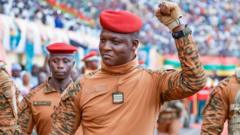
Capt Ibrahim Traoré, Burkina Faso's 37-year-old juncture leader, connects with many Africans through his anti-imperialism stance and left-leaning policies, drawing parallels to the iconic Thomas Sankara. His radical reforms, social media savvy, and charisma have garnered immense popularity; however, he struggles with an ongoing insurgency and challenges in governance.
Despite challenges ahead, Traoré's image as a transformative figure in African politics shines brightly. Burkina Faso's military leader, Captain Ibrahim Traoré, who seized power in 2022, has captured the attention and admiration of many across the continent and beyond. At just 37 years old, Traoré has cultivated a pan-Africanist image, positioning himself as a champion against Western imperialism and neo-colonialism. His charismatic style and rhetoric resonate deeply with a population dissatisfied with the status quo, particularly within resource-rich African countries grappling with systemic poverty. Beverly Ochieng, a senior researcher at Control Risks, noted that Traoré represents the sentiments of young Africans questioning traditional Western relationships, particularly following his bold moves to align with Russia, shunning former colonial power France. Traoré's regime has introduced significant economic reforms, such as launching a state-owned mining company and raising stakes in gold mining operations, culminating in plans to build a national gold refinery. Although these reforms enhance his popularity, they have strained relations with Western firms now facing regulatory challenges in Burkina Faso.Enoch Randy Aikins from the Institute for Security Studies believes Traoré’s popularity rivals that of any African leader today, as he commands immense support through social media channels. Despite mixed reviews from global powers, sentiment towards his leadership has bolstered support, even among the African diaspora, showcasing a generational preference for a departure from traditional governance models.Yet, Traoré's tenure is not without its controversies. His government has been criticized for its handling of dissent and failure to address a decade-long Islamist insurgency plaguing the nation. Human rights observers warn that a heavy-handed approach to dissent could undermine the very support that initially propelled him to power. Recently, as tensions grow between Burkina Faso's regime and Western powers—including a frosty relationship with the United States—Traoré has maintained a defiant stance, associating with other military leaders in the region and fostering a new alliance. This has stirred a rallying response, with domestic and international demonstrations in support of his vision for a redefined Africa, free from perceived Western control.Looking ahead, Traoré’s legacy hangs in the balance. Observers suggest that focusing on rebuilding state institutions and fostering peace could solidify his position as a transformative leader. If he can successfully navigate the challenges ahead, Traoré might bolster his claim as a leader capturing the spirit of post-colonial aspirations in Africa, while also avoiding the pitfalls that have marred similar figures in the past.