In brief
Amid growing unrest, citizens in Georgia are rallying against an increasingly authoritarian government, facing violence from riot police and raising concerns over the nation's future alignment with Europe and Russia.
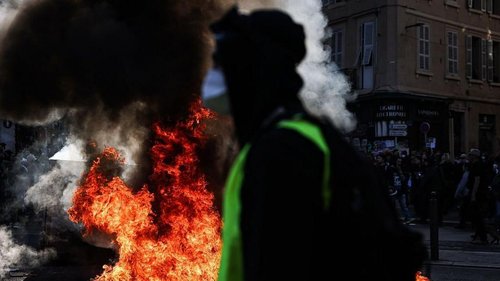
In recent days, Tbilisi, the capital of Georgia, has witnessed striking similarities to the Ukrainian protests of a decade ago. As tensions rise between the government and citizens, the demonstrations—rooted in discontent with the government’s pivot toward Moscow—are reminiscent of earlier uprisings that contributed to Ukraine's descent into conflict. Protesters are calling for government change as riot police clash with demonstrators, many of whom are young activists. This burgeoning movement reflects a broader struggle that involves not only Georgia but also other former Soviet states like Moldova, all grappling with the threat of Russian influence. The situation is particularly precarious given the geopolitical dynamics at play. Georgia's aspirations for closer ties with the European Union have reignited historical grievances against Russian dominance, leading to unrest that echoes the tumultuous past of its neighbor, Ukraine. As the standoff continues, the risks and stakes grow ever high, pushing the nation towards what could become a defining crisis.