In brief
The study highlights a staggering 22% decline in butterfly populations from 2000 to 2020, with serious implications for ecosystems and food production.
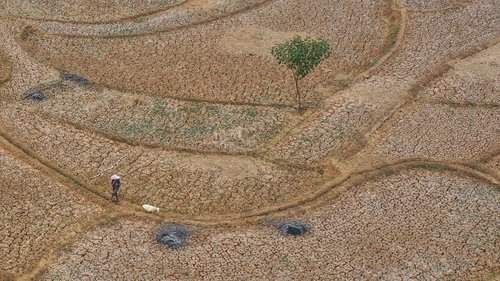
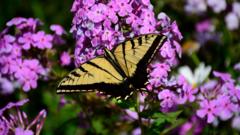
In a striking revelation, a longitudinal study conducted by Binghamton University in New York has found that butterfly populations in the United States have plummeted by over 20% in the past two decades. Between 2000 and 2020, the research indicated a dramatic 22% decline in butterfly numbers, signaling a worrying trend in the state of biodiversity. Analyzing data from 12.6 million butterfly sightings across 76,000 surveys and 35 monitoring programs, including contributions from citizen science initiatives like the North American Butterfly Association’s annual counts, researchers were able to gauge the abundance and population trends of 342 butterfly species. Alarmingly, a third of these species are reportedly in significant decline, with 107 experiencing a drop of over 50%. Some species, including Julia's Skipper, suffered catastrophic declines exceeding 90%.Professor Eliza Grames, an assistant professor of biological sciences at Binghamton University, expressed concern over the widespread impacts of this decline, stating, "Seeing the extent of the decline at such a large spatial scale was sobering." Particularly affected are species like the Florida white, Hermes copper, tailed orange, Mitchell's satyr, and West Virginia white, all of which have faced reductions in abundance of more than 98%. The West Coast lady, once a common sight in gardens, has also diminished by 80%, raising alarms about the vulnerability even of adaptable species.Key factors contributing to this decline include habitat loss, pesticide use, and the effects of climate change. Butterflies play a vital role as pollinators, and their losses could lead to disruptions in agricultural productivity and wider ecological balance. Additionally, their declining numbers serve as indicators of environmental health, shedding light on broader ecological issues.The research indicates that the Southwest US is facing the most severe declines, where drought conditions are believed to exacerbate the situation. "Drought is a double threat - it harms butterflies directly and also affects their food and host plants," explained Prof. Grames.Despite the alarming results, researchers believe in the potential for recovery if immediate conservation measures are implemented. Simple actions such as planting wildflowers, cutting back pesticide usage, or allowing portions of yards to remain unmowed can significantly enhance butterfly populations. Prof. Grames emphasized, "Insects are fundamental to life on earth, and we need conservation actions and policies that support insects." The findings of this study could be pivotal in conservation efforts, helping to identify priority species for inclusion in the International Union for Conservation of Nature's Red List of Threatened Species.