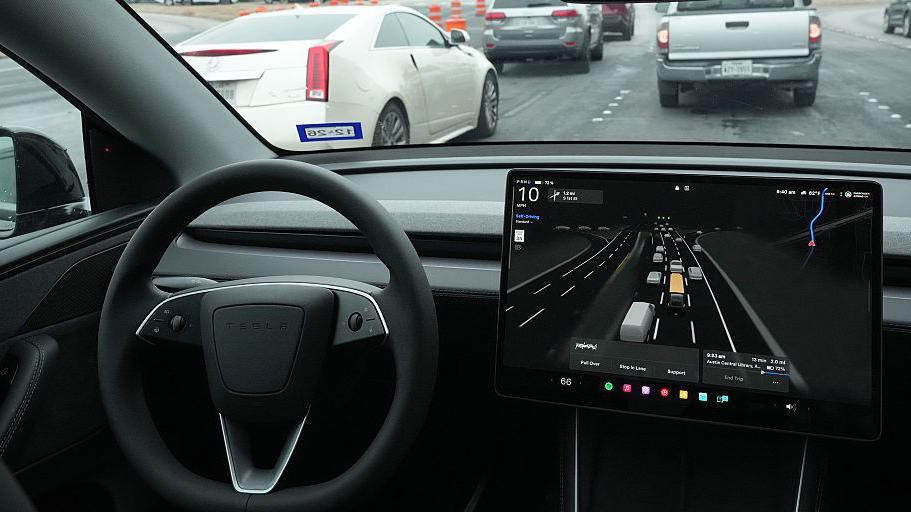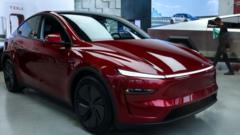
Tesla, the iconic American electric vehicle (EV) manufacturer, is reportedly on the verge of entering the Indian market after years of speculation. With hiring drives in Mumbai and Delhi for around a dozen positions, the company is also exploring options for showrooms in these metropolitan hubs. However, a crucial question looms: can Tesla attract India’s price-sensitive customers?
India's EV arena is currently dominated by Tata Motors, which commands over 60% of the market share. MG Motors, backed by Indian and Chinese interests, follows with a 22% share, while Mahindra and Mahindra are key players as well. In contrast to local offerings that are often priced under $20,000, Tesla's base model starts at around $40,000, placing it in the luxury segment alongside high-end brands like BMW, Hyundai, and Mercedes.
The relatively steep pricing makes it essential for Tesla to consider launching a more economical variant tailored for the Indian demographic. Unique challenges also arise from India's roadway conditions. Tesla vehicles typically possess low ground clearance, which may necessitate design modifications to operate effectively on Indian roads, potentially inflating production costs. "The engineering changes required for such a small market presence are challenging," opined Hormazd Sorabjee, editor of Autocar India, indicating reservations about the viability of such adaptations.
Additionally, despite the hype surrounding EVs, they make up less than 3% of India's total passenger vehicle sales. The necessary infrastructure, like charging stations, has been progressing slowly. Currently, around 25,000 stations are in operation across the country, making EV market penetration challenging.
However, on the policy front, India is eager to attract Tesla, outlining bold plans to electrify a significant percentage of its transportation by 2030. Various states are implementing their own EV incentives aimed at spurring demand. Subsidies in India are reportedly among the highest globally, reaching up to 46% for best-selling electric models. Such attractive financial incentives have driven a remarkable increase in EV sales, skyrocketing from 4,700 units in 2018 to 100,000 last year.
India's recent reduction of import taxes on EVs for foreign manufacturers investing locally has further bolstered its appeal. Currently, Tesla vehicles priced above $35,000 can benefit from a reduced 15% import duty, paving the way for a more strategic entry for the manufacturer while promoting local production.
Domestic manufacturers may perceive this as an uneven playing field, yet some remain unfazed by Tesla's potential market entry. "We welcome competition; it will enhance the ecosystem," asserted Rajesh Jejurikar of Mahindra and Mahindra, emphasizing ongoing improvements in their products.
Key consumer concerns, such as range anxiety, are being addressed by local players through advanced battery technology. Nevertheless, Tesla's reputation for superior battery integration and user experience sets it apart. Moreover, as the segment for premium vehicles expands in India, the allure of owning a Tesla could appeal to the aspirational middle class eager to embrace global trends.
Despite these growing opportunities, Tesla has yet to confirm any commitment to manufacturing in India and remains focused on shipping cars from existing factories. The extent of Tesla's future investments in local production may depend on the evolving landscape of India's affluent consumer base and trade agreements with the US.
As it stands, India may first encounter impressive Tesla showrooms catering to the wealthy, rather than the factories that could provide widespread employment for its populace.
India's EV arena is currently dominated by Tata Motors, which commands over 60% of the market share. MG Motors, backed by Indian and Chinese interests, follows with a 22% share, while Mahindra and Mahindra are key players as well. In contrast to local offerings that are often priced under $20,000, Tesla's base model starts at around $40,000, placing it in the luxury segment alongside high-end brands like BMW, Hyundai, and Mercedes.
The relatively steep pricing makes it essential for Tesla to consider launching a more economical variant tailored for the Indian demographic. Unique challenges also arise from India's roadway conditions. Tesla vehicles typically possess low ground clearance, which may necessitate design modifications to operate effectively on Indian roads, potentially inflating production costs. "The engineering changes required for such a small market presence are challenging," opined Hormazd Sorabjee, editor of Autocar India, indicating reservations about the viability of such adaptations.
Additionally, despite the hype surrounding EVs, they make up less than 3% of India's total passenger vehicle sales. The necessary infrastructure, like charging stations, has been progressing slowly. Currently, around 25,000 stations are in operation across the country, making EV market penetration challenging.
However, on the policy front, India is eager to attract Tesla, outlining bold plans to electrify a significant percentage of its transportation by 2030. Various states are implementing their own EV incentives aimed at spurring demand. Subsidies in India are reportedly among the highest globally, reaching up to 46% for best-selling electric models. Such attractive financial incentives have driven a remarkable increase in EV sales, skyrocketing from 4,700 units in 2018 to 100,000 last year.
India's recent reduction of import taxes on EVs for foreign manufacturers investing locally has further bolstered its appeal. Currently, Tesla vehicles priced above $35,000 can benefit from a reduced 15% import duty, paving the way for a more strategic entry for the manufacturer while promoting local production.
Domestic manufacturers may perceive this as an uneven playing field, yet some remain unfazed by Tesla's potential market entry. "We welcome competition; it will enhance the ecosystem," asserted Rajesh Jejurikar of Mahindra and Mahindra, emphasizing ongoing improvements in their products.
Key consumer concerns, such as range anxiety, are being addressed by local players through advanced battery technology. Nevertheless, Tesla's reputation for superior battery integration and user experience sets it apart. Moreover, as the segment for premium vehicles expands in India, the allure of owning a Tesla could appeal to the aspirational middle class eager to embrace global trends.
Despite these growing opportunities, Tesla has yet to confirm any commitment to manufacturing in India and remains focused on shipping cars from existing factories. The extent of Tesla's future investments in local production may depend on the evolving landscape of India's affluent consumer base and trade agreements with the US.
As it stands, India may first encounter impressive Tesla showrooms catering to the wealthy, rather than the factories that could provide widespread employment for its populace.