In brief
India has imposed a temporary ban on Telegram, citing fears it could be used by cheating rings in the National Eligibility cum Entrance Test (NEET‑UG). The restriction will cover the exam retake on June 21 and limits message‑editing to prevent fabricated leak evidence. Digital‑rights groups have criticised the move as a low‑level band‑a‑id that punishes ordinary users and fails to address deeper systemic fraud. The National Testing Agency (NTA) defended the ban, noting that several Telegram channels and bots dealing in counterfeit papers have been shut down, and highlighted ongoing cyber‑crime investigations.
The government of India has temporarily blocked the popular messaging app Telegram, citing concerns that the platform could be exploited by cheating rings ahead of the retake of the National Eligibility cum Entrance Test (NEET‑UG) for medical school entry. The ban is set to remain in place until 22 June, the day after the exam, and is backed by the Ministry of Electronics and Information Technology.
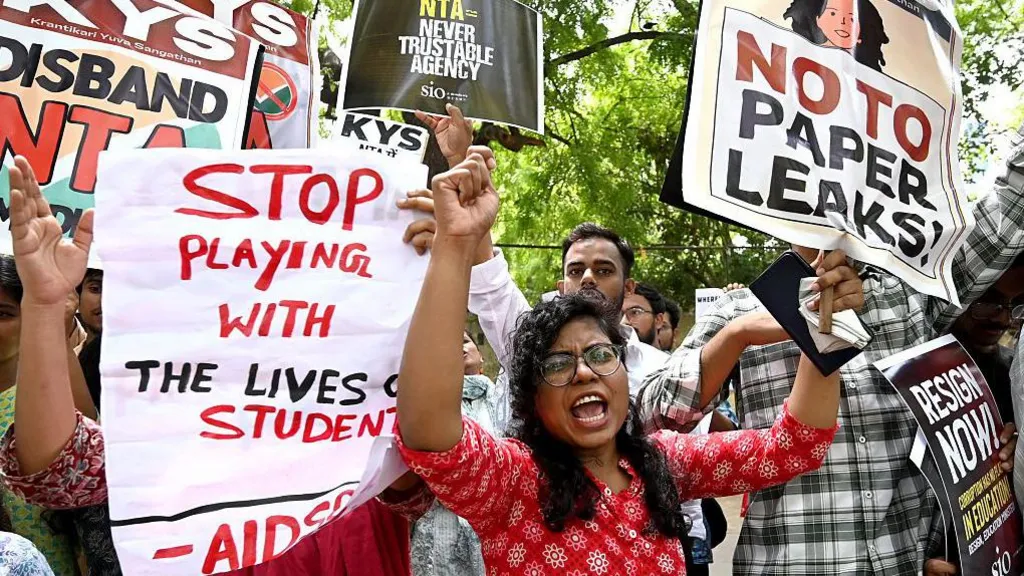
The decision follows the cancellation of the May test after allegations that the exam paper had leaked. Nearly 2.28 million candidates sat the exam on 3 May, and protests erupted after the National Testing Agency (NTA) rescinded the test in the wake of the leak. Since then, the NTA has said that it has taken down dozens of Telegram channels, groups and bots that advertised fraud and demanded large sums from candidates for alleged “access” to the exam paper.
The ministry has also ordered Telegram to disable its message‑editing feature in India until 30 June, “because it has been used to fabricate evidence” of the leaks. Telegram has not issued a statement, and citizens reported that the app remained accessible for a short time after the announcement, raising questions about how effectively the ban will be enforced.
Digital‑rights advocates such as the Internet Freedom Foundation argue that the temporary block is a reactive measure that penalises ordinary users while the underlying paper‑leak problem remains unresolved. The organization notes that students often depend on Telegram chat groups to share study materials, ask questions and collaborate in preparation for the exam.
The larger controversy surrounding NEET has resurfaced repeatedly. In 2024 the exam faced similar allegations of leaks and irregularities in awarding grace marks, prompting political pressure and a call for the education minister’s resignation. The current crackdown, therefore, highlights a broader struggle over exam integrity and transparency in India’s education system.