In brief
Ukrainian drone forces have targeted more than two dozen Russian tankers carrying fuel across the Sea of Azov, setting ships ablaze and tightening a logistics lockdown on Crimea. The attacks, claimed by commander Robert Brovdi—known as Magyar—have destroyed at least 25 vessels, with later reports indicating up to 36 tankers damaged. Satellite imagery and social‑media footage show smoke rising from ships near Kerch port, the main oil loading hub, while strikes on Russian refineries and fuel depots deepen a country‑wide shortage. Russian officials have not disputed the claims, and U.S. President Donald Trump has called the strategy a necessary escalation, while Ukrainian President Volodymyr Zelensky stresses the war’s cost to Russia.
Ukrainian drone forces have targeted more than two dozen Russian tankers carrying fuel across the Sea of Azov, the inland sea that feeds into the Black Sea, between 6 and 9 July, according to commander Robert Brovdi – better known by the call sign Magyar.
The strikes have set fire to at least 25 vessels, and later reports say as many as 36 ships, most of them belonging to Russia’s "shadow fleet" of commercial oil tankers. The attacks are part of a broader "logistics lockdown" aimed at choking supplies to the Russian‑annexed peninsula of Crimea.
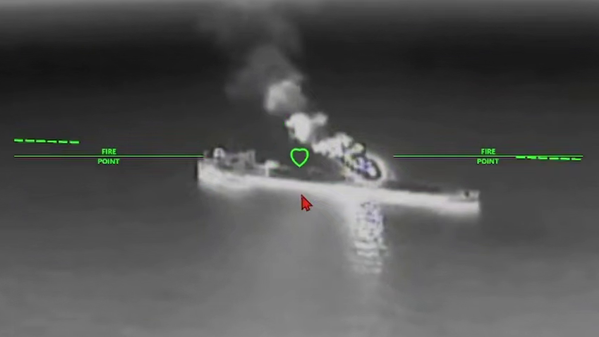
The tanker‑strike footage, posted to social media and verified by satellite imagery, shows a plume of smoke rising from the vessels as they loiter off northern Crimea’s Kerch port, the peninsula’s main oil loading facility. The attacks coincide with a string of strikes on Russian refineries and fuel depots that have left many Russian regions in a sudden fuel shortage.
Kremlin officials have not disputed the claims of destroyed vessels – and U.S. President Donald Trump has characterised the strategy as a necessary escalation, while Ukrainian President Volodymyr Zelensky said it makes Russians feel the real cost of war.
As fuel rationing begins to affect more than 90 percent of Russian regions, the sidebar notes that the Black Sea Fleet has largely withdrawn, leaving the marine logistics flow to Crimea – and the associated power and transport infrastructure – vulnerable.