In brief
Kenya has confirmed its second Ebola death as a 65‑year‑old woman, a close relative of the first victim, succumbed while in isolation. The outbreak, linked to a traveler from the Democratic Republic of Congo, remains contained to a single cluster with no community spread. Seven other patients are currently under treatment in two isolation facilities. Amid rising concerns in Africa, Kenya has intensified border checks and issued travel warnings.
Kenya has recorded its second death from Ebola as it handles this country’s first ever outbreak of the disease.
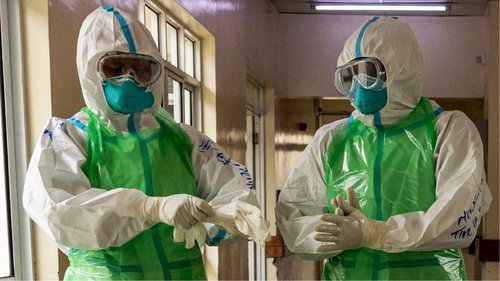
A 65‑year‑old woman, a close family member of the first victim—a man who had travelled from the Democratic Republic of Congo—died after being placed in quarantine, the health ministry said. Seven other patients are currently receiving treatment in two isolation facilities.
All cases fall within one cluster, with no evidence of community spread. The United States has urged its citizens to avoid travel to Kenya, while neighbouring Uganda, Ethiopia, and Somalia remain on alert.
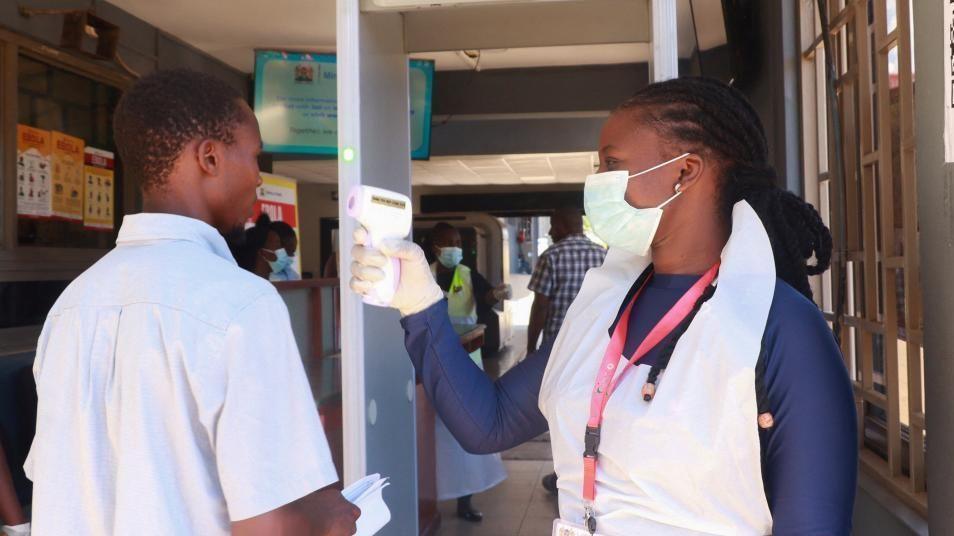
The Burdibugyo species of Ebola is rare, with no approved vaccine or treatment, though trials are underway. With more than 9,500 cases in the DRC, Kenya faces a steady risk of new introductions across borders. To counter this, Kenyan authorities have introduced enhanced screening for travellers from nine high‑risk countries, requiring a digital surveillance form and QR code presentation on arrival.
Domestic measures include public awareness campaigns urging prompt reporting of suspected cases and adherence to hygiene practices such as handwashing and avoiding close contact with sick individuals. The government also stresses the importance of seeking care at hospitals and the risk of internal and external bleeding associated with advanced Ebola infection.