In brief
U.S. officials are set to announce a deal that would allow Saudi Arabia to develop a civilian nuclear programme, a move that could provide the Gulf kingdom with a facility to enrich uranium and fuel power plants. The agreement, valued at billions of dollars, would involve U.S. companies in building an enrichment plant on Saudi soil. The deal has already raised concerns among Israeli officials and non‑proliferation advocates about the potential for the kingdom to develop nuclear weapons. The contract, expected to run for 30 years, requires congressional approval and includes provisions that could restrict Saudi enrichment for ten years if the U.S. objects.
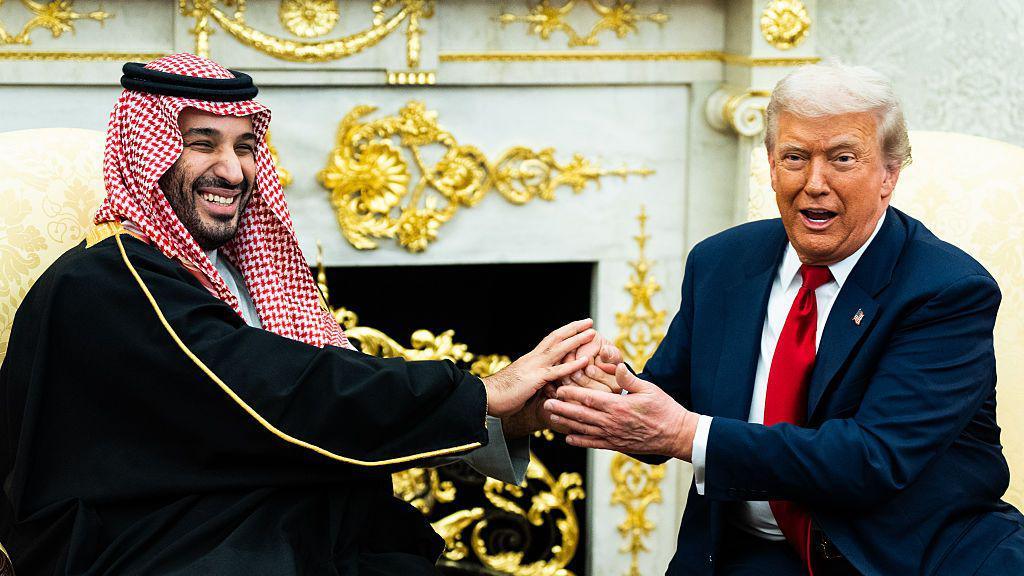
U.S. officials are preparing to unveil a 30‑year agreement that would allow Saudi Arabia to build a civilian nuclear programme. The deal, reportedly signed by the Trump administration, would pave the way for Saudi companies to build a uranium enrichment facility on Saudi soil, potentially fueling its own power plants or, proselytically, weapons programmes.
The contract is expected to be worth billions of dollars and could obligate U.S. companies to construct the plant. However, the agreement has triggered alarm among Israeli officials and non‑proliferation advocates, who warn that Saudi enrichment could translate into a nuclear weapons capability.
Under the proposed terms, Saudi Arabia would conduct a joint U.S. study on nuclear technology before any enrichment activity takes place. Unlike the 2009 U.S.‑UAE deal, this arrangement could allow Saudi enrichment on its own territory, subject to a ten‑year restriction that would apply if the U.S. objects.
The policy, slated for congressional review, is likely to meet mixed responses from lawmakers, despite President Trump’s influence in both chambers of Congress. Significantly, the deal does not tie Saudi normalisation with Israel to U.S. approval, a point that contrasts with long‑standing U.S. aspirations for a broader Arab‑Israeli outreach.
As the Middle East continues to wrestle with Iranian nuclear ambitions, the new U.S.–Saudi pact raises a complex web of security, diplomacy, and non‑proliferation worries that will play out in Washington and beyond.