In brief
A week‑long series of retaliatory strikes over the Strait of Hormuz ended with the United States and Iran announcing they would stand down, after a ceasefire had begun to falter. A U.S. official confirmed vessels could move freely through the Gulf waterway, while talks toward a permanent end to hostilities continue. President Donald Trump warned of an upcoming Doha meeting, and senior American officials are preparing for high‑level talks. The diplomats already signed a 14‑point Memorandum of Understanding on 17 June, calling for an immediate and permanent cessation of all military operations on each side. Despite these assurances, recent flare‑ups—including Iranian strikes on U.S. bases in Kuwait and Bahrain—highlight the fragility of the accord.
US and Iran agreed to stand down after a week‑long cycle of strikes over the Strait of Hormuz, ending a fragile ceasefire that had begun to fray.
Both sides accused each other of violating the temporary truce that had been in place since the Gulf crackdown in February.
A U.S. official told CBS the vessels will be able to navigate the Gulf waterway freely, while talks toward a permanent end to hostilities continue.
President Donald Trump posted on Truth Social that a meeting in Doha would take place, with senior American officials—White House Press Secretary Karoline Leavitt said—preparing to travel to Qatar for high‑level talks.
On 17 June the diplomats had signed a 14‑point Memorandum of Understanding that called for an immediate and permanent cessation of all military operations on both sides.
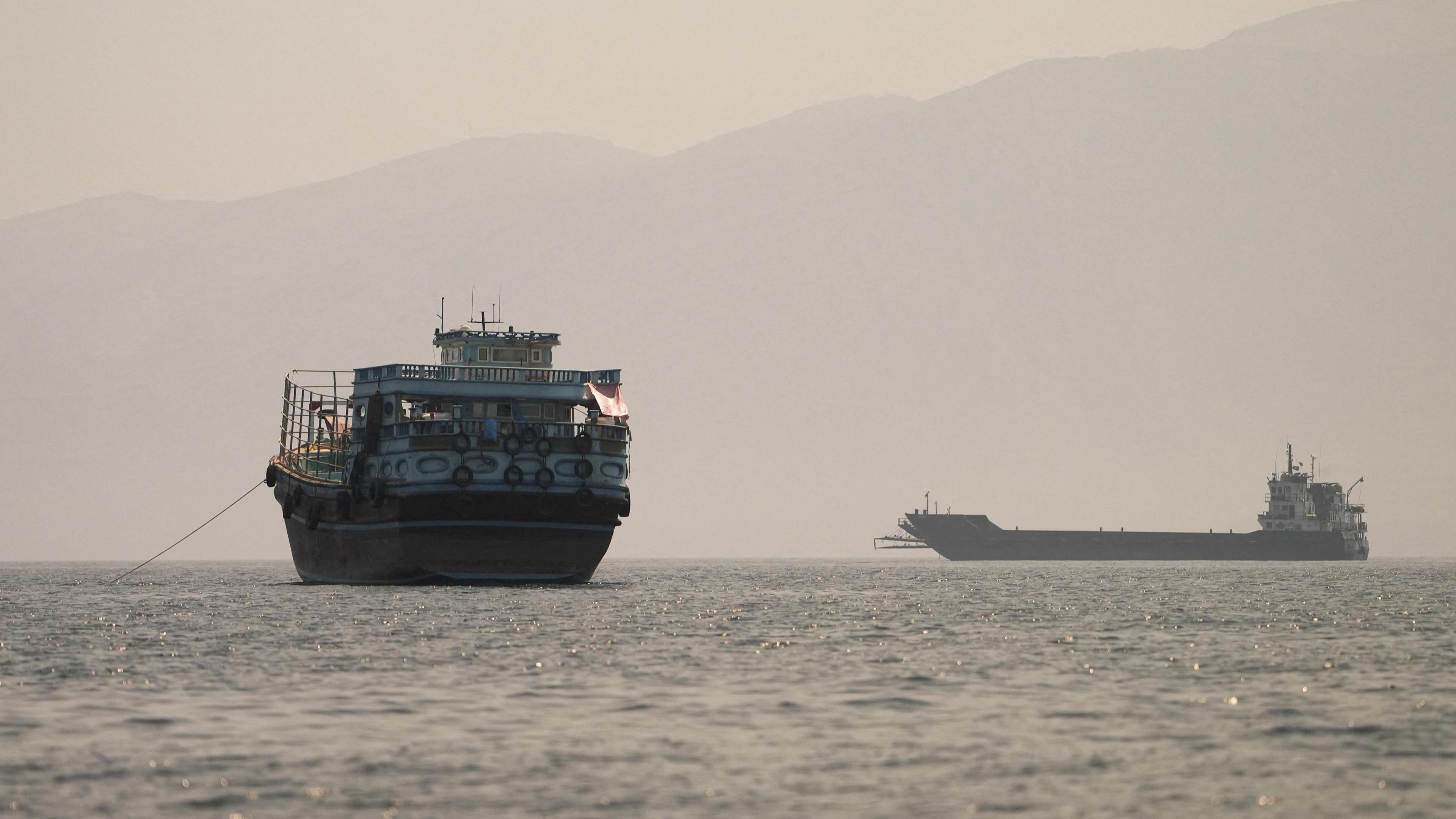
The Strait of Hormuz remains a vital artery for global oil flows, and any interruption would ripple through energy markets worldwide.
Recent flare‑ups included an Iranian projectile striking a cargo ship, followed by U.S. retaliatory strikes on Iranian targets, and Iranian attacks on U.S. bases in Kuwait and Bahrain.
Similar tensions simmer in Lebanon, where a new ceasefire with Hezbollah faces skepticism and the conflict remains a flashpoint for regional stability.