In brief
Planet Labs, a satellite imagery firm, has imposed indefinite restrictions on images of Iran and parts of the Middle East following pressure from the US government. This decision, which extends a previously implemented 14-day delay, raises significant concerns among humanitarian organizations and journalists who rely on such imagery for assessing the impacts of the ongoing US-Israel conflict in the region. Critics argue that these restrictions could severely hinder the ability to document human rights abuses, plan evacuations, and deliver essential aid. The origins of the US request remain unclear, leading to further questions about the influence of defense contracts on commercial satellite companies.
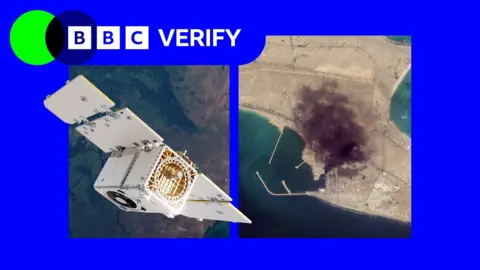
Humanitarian organisations and journalists have expressed concerns after a leading satellite imagery company, Planet Labs, announced it would restrict access to images of Iran and large parts of the Middle East following a request from the US government.
Based in California, Planet Labs initially imposed a 14-day delay on providing new imagery from the region in March, but this has now evolved into an indefinite restriction.
This change significantly limits how journalists, humanitarian groups, and analysts can utilize satellite images to assess the impact of the ongoing conflict involving the US and Iran, as well as potential damage to military targets and civilian infrastructure.
The exact reasons behind the US's pressure on Planet to suspend its coverage remain unclear, and the Department of Defense has not responded to inquiries regarding the matter.
Planet Labs had previously cited its original delay policy was designed to ensure our imagery is not tactically leveraged by adversarial actors to target allied and NATO-partner personnel and civilians. The company has now announced a shift to managed distribution of selected images on a case-by-case basis, stating it would continue to withhold imagery until the perceived security risk dissipates.
Reports indicate that these restrictions extend across most of the Middle East, impacting countries such as Iraq, Lebanon, Israel, and Gaza. Concerns are mounting that commercial satellite firms with military contracts might implement such voluntary compliance requests driven by business interests rather than explicit legal mandates.
Experts note that satellite imagery is a crucial tool for reporters, especially in conflict zones and areas where physical access is restricted or information is tightly controlled. With limitations on Planet's services, news organizations like the BBC and the New York Times have begun seeking alternative solutions outside the US, although these often fail to provide the same resolution or coverage required.
Meanwhile, the non-proliferation of reliable imagery could create opportunities for bad actors, leading to a rise in misinformation, including the circulation of fake satellite imagery online.
Planet Labs' complex relationship with the US defense sector raises questions about the influence of commercial incentives on information access and the implications for humanitarian efforts and transparency in conflict reporting.