In brief
On November 12, 2025, the U.S. will produce its final pennies, marking the end of over 230 years of one-cent coin production. With the rising cost of production—nearly four cents per penny—and the increasing prevalence of digital transactions, officials estimate savings of around $56 million annually. As businesses adapt to the coin's scarcity, shoppers may face higher prices due to the elimination of the penny.
The US is set to make its final penny.
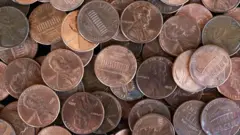
The Philadelphia Mint will strike its last batch of one-cent coins on Thursday, after more than 230 years of production.
The coins will remain in circulation but the phase-out has already prompted businesses to start adjusting prices, as they say pennies are becoming harder to find.
The government says the move will save money, or as President Donald Trump put it in February when he first announced the plans: Rip the waste out of our great nation's budget, even if it's a penny at a time.
Pennies, which honor Civil War president Abraham Lincoln and are made of copper-plated zinc, today cost nearly four cents each to make — more than twice the cost of a decade ago, according to the Treasury Department. It estimates the decision to end production will save about $56 million a year.
Officials have argued that the rise of electronic transactions is making the penny, which first went into production in 1793, increasingly moot.
The Treasury Department estimates that about 300 billion of the coins will remain in circulation, far exceeding the amount needed for commerce.
Many pennies end up falling out of use. About 60% of all coins in circulation in the US - or about $60-$90 for the typical household - sits stashed at home in piggy banks, deemed not worth trading in, according to a 2022 government analysis.
But penny-pinchers beware: as businesses start rounding up prices, the move is expected to raise costs for shoppers. One study by researchers at the Richmond Federal Reserve estimated that could cost consumers $6 million annually.
Other countries have also phased out their lowest value coins. Canada, for example, made its last batch of one-cent coins in 2012. Australia and New Zealand retired their one and two-cent coins in the 1990s.
In the US, focus is now turning to the nickel, which has a face value of five cents but costs nearly 14 cents to produce, potentially impacting consumers even more significantly if retired.