US Deportees Face Tragedy as Venezuelan Earthquake Claims Thousands
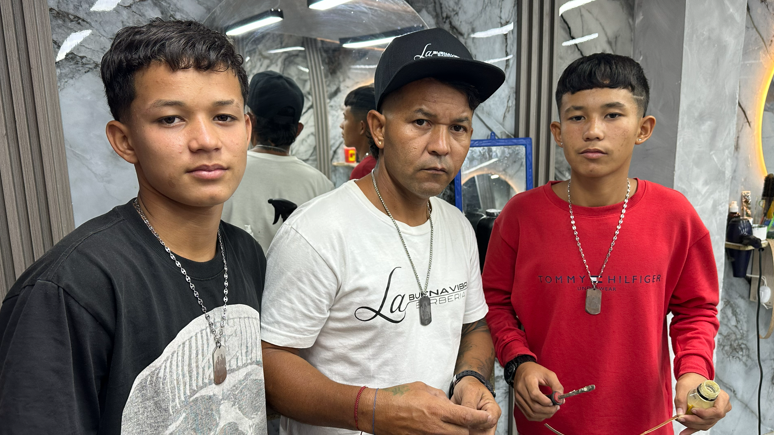
Abelardo Rincón built a life in Georgia for six years, working at a car dealership, getting married and preparing for the birth of his daughter. On a recent U.S. deportation flight, he was arrested and sent back to Venezuela under a hard‑line immigration policy. The flight landed in La Guaira on June 24 and the young man called his family in Atlanta while still in custody.
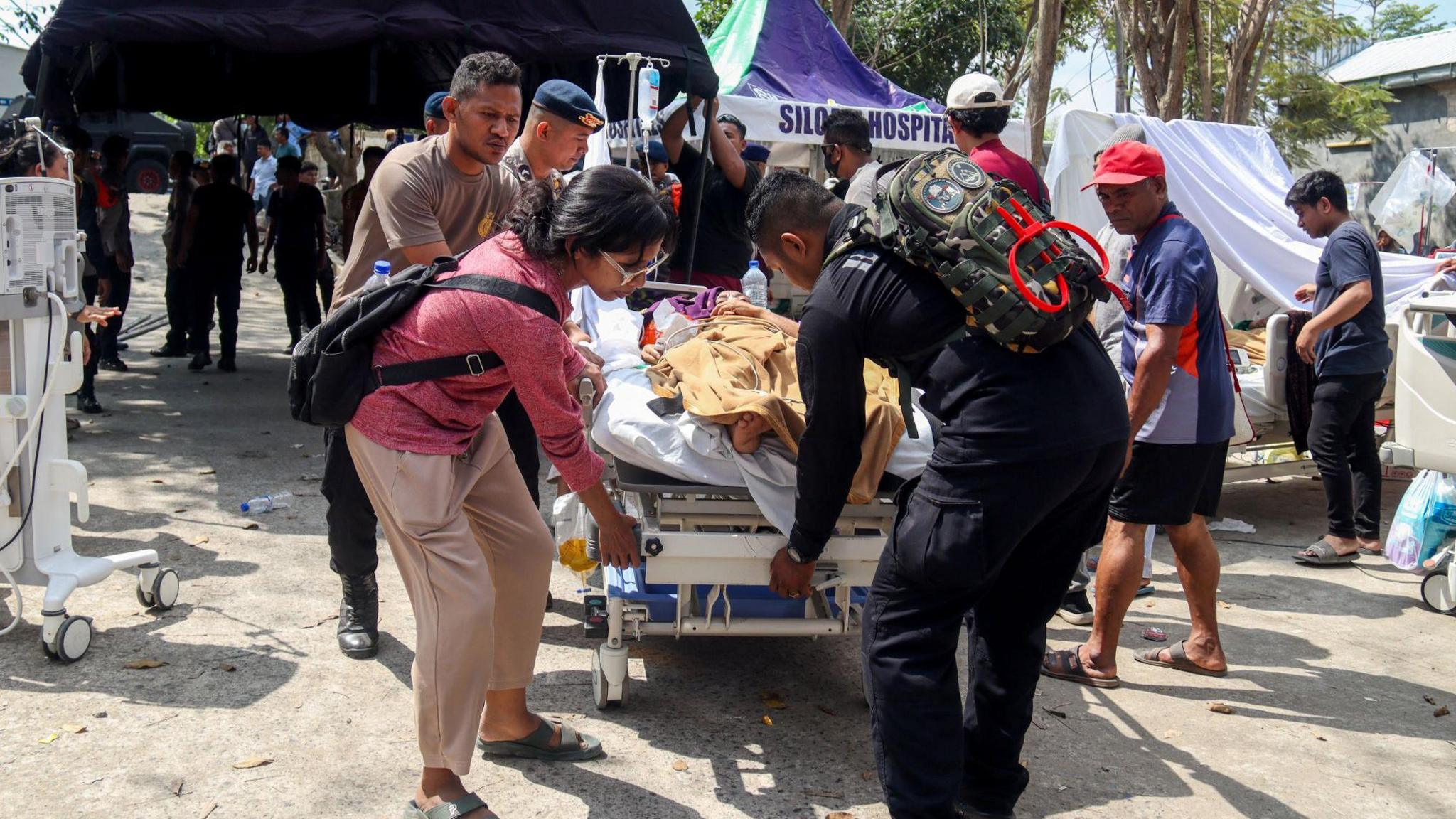
He and more than 140 other Venezuelan deportees were housed by local authorities in Hotel Santuario La Llanada and were still receiving medical checks when twin earthquakes hit the city roughly a few hours after the flight’s arrival. The quake killed at least 2,200 people and left about 10,000 injured, according to UN estimates, with 50,000 missing. Rincón was photographed in the moments before the disaster caused him and many fellow deportees to be trapped in collapsed apartments.
The U.S. Department of Homeland Security states that the flight was safe and all “illegal aliens” on board were returned home. Officials say they are no longer responsible for those in custody. The Venezuelan government, meanwhile, has posted contact numbers but remains overwhelmed under the disaster’s strain.
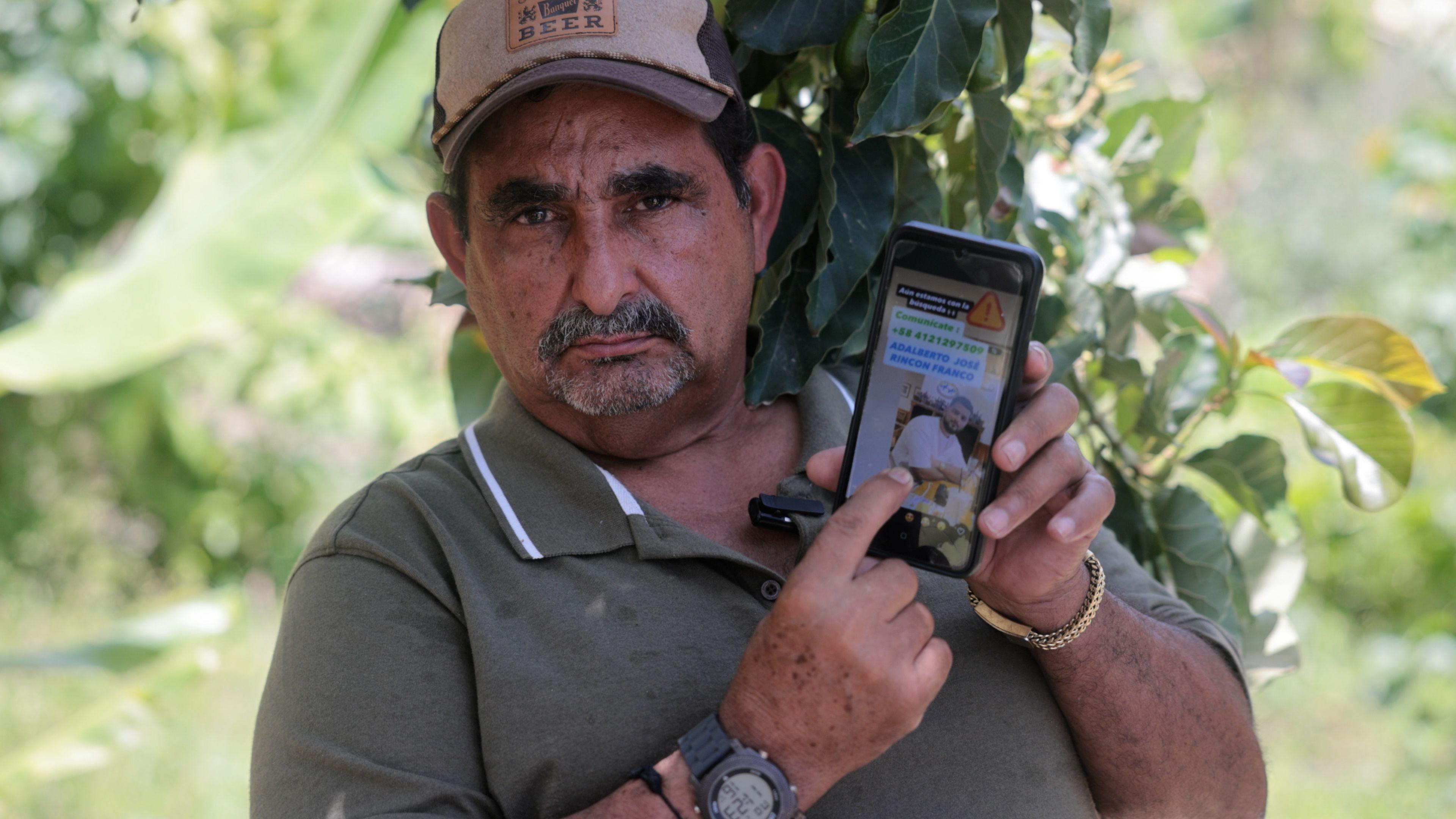
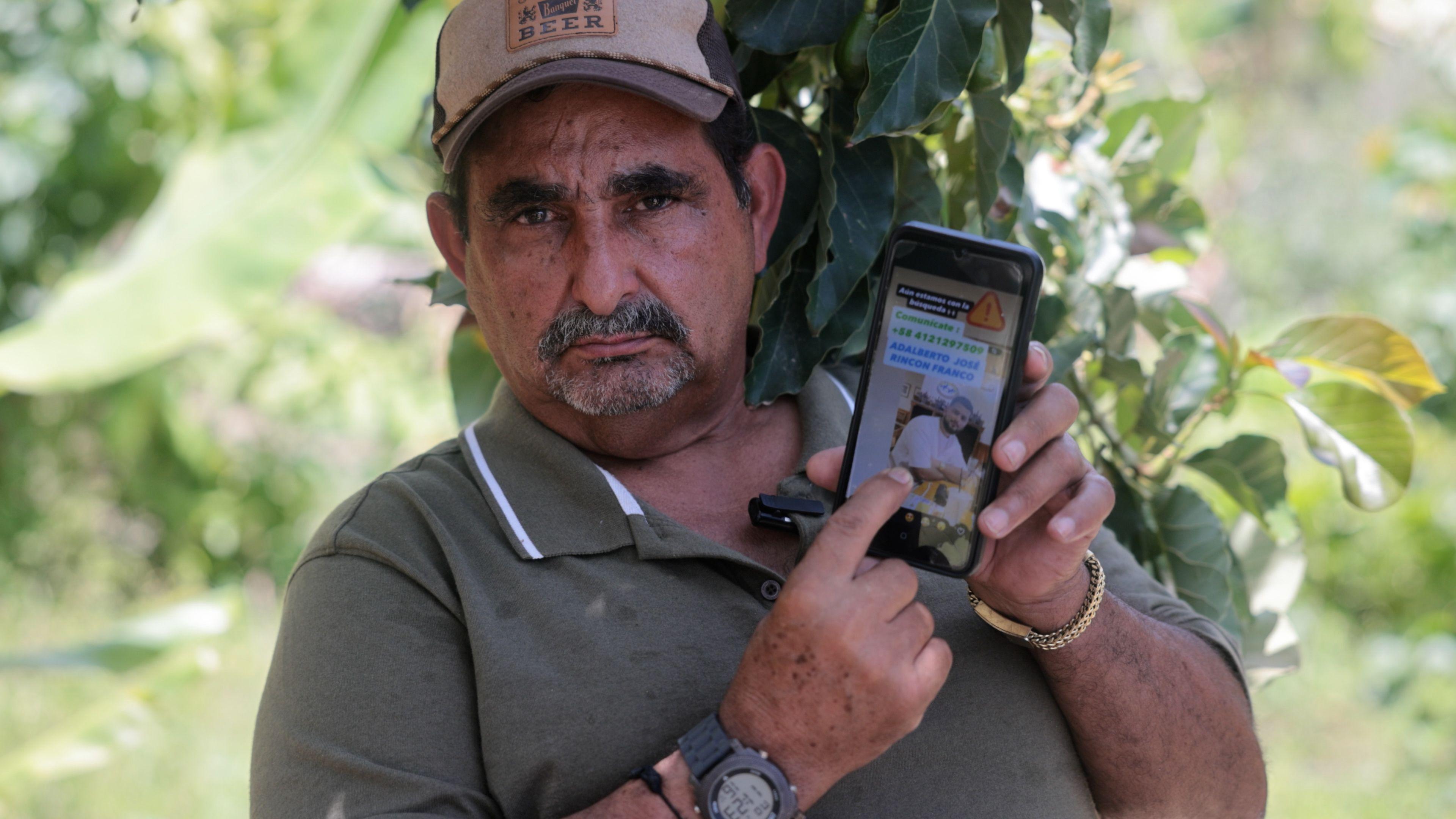
Families of the deportees are in despair. Rincón’s grandfather, Jose, has seen many bodies and searched in morgues for his grandson. He reports that authorities blocked access to the hotel ruins where the deportees stayed, denying him any chance to see what happened. Other families, such as that of Darwin Eliecer Serrano Lopez, struggle to learn if their loved ones survived, asking authorities for bodies to identify them.
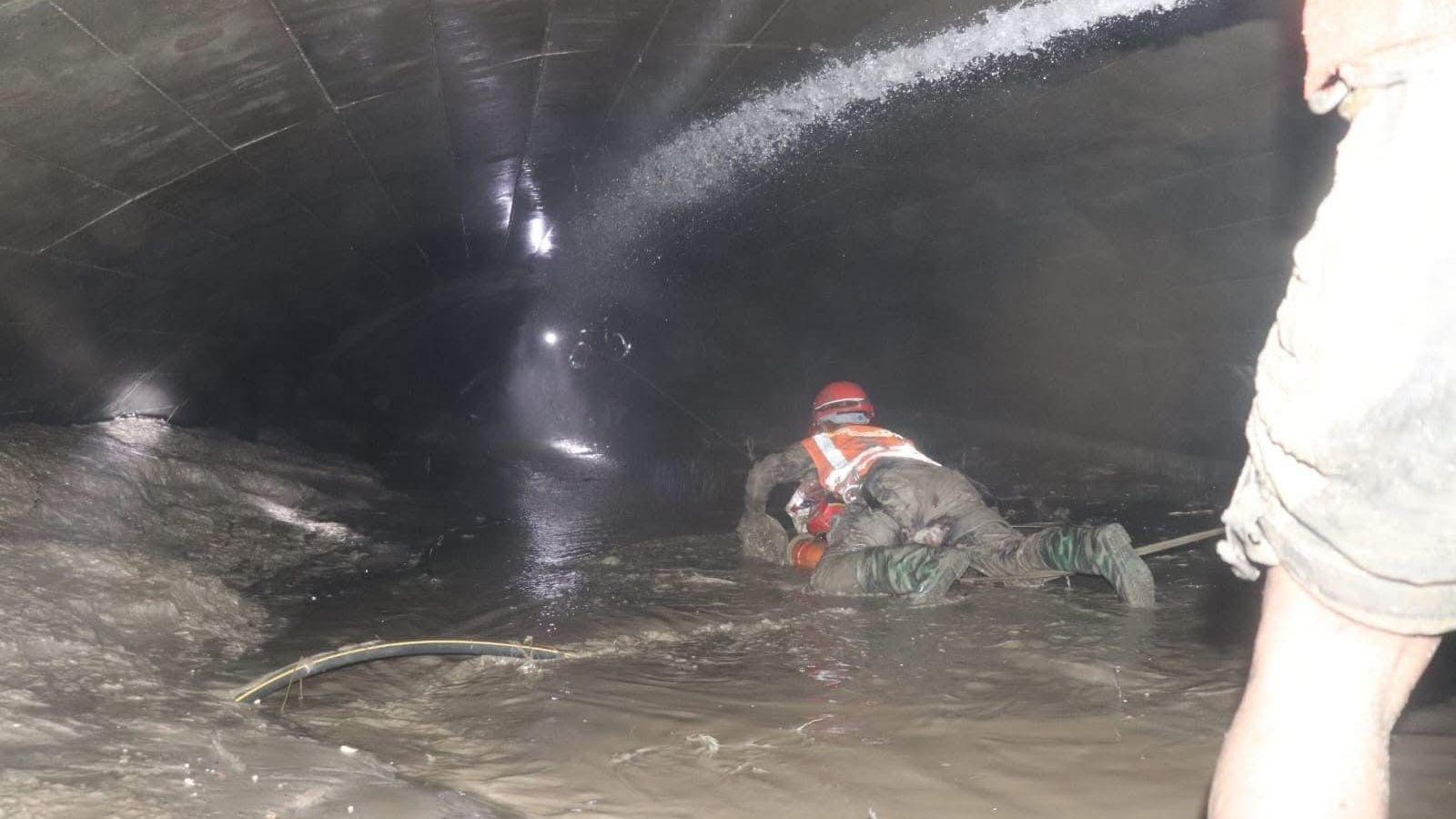
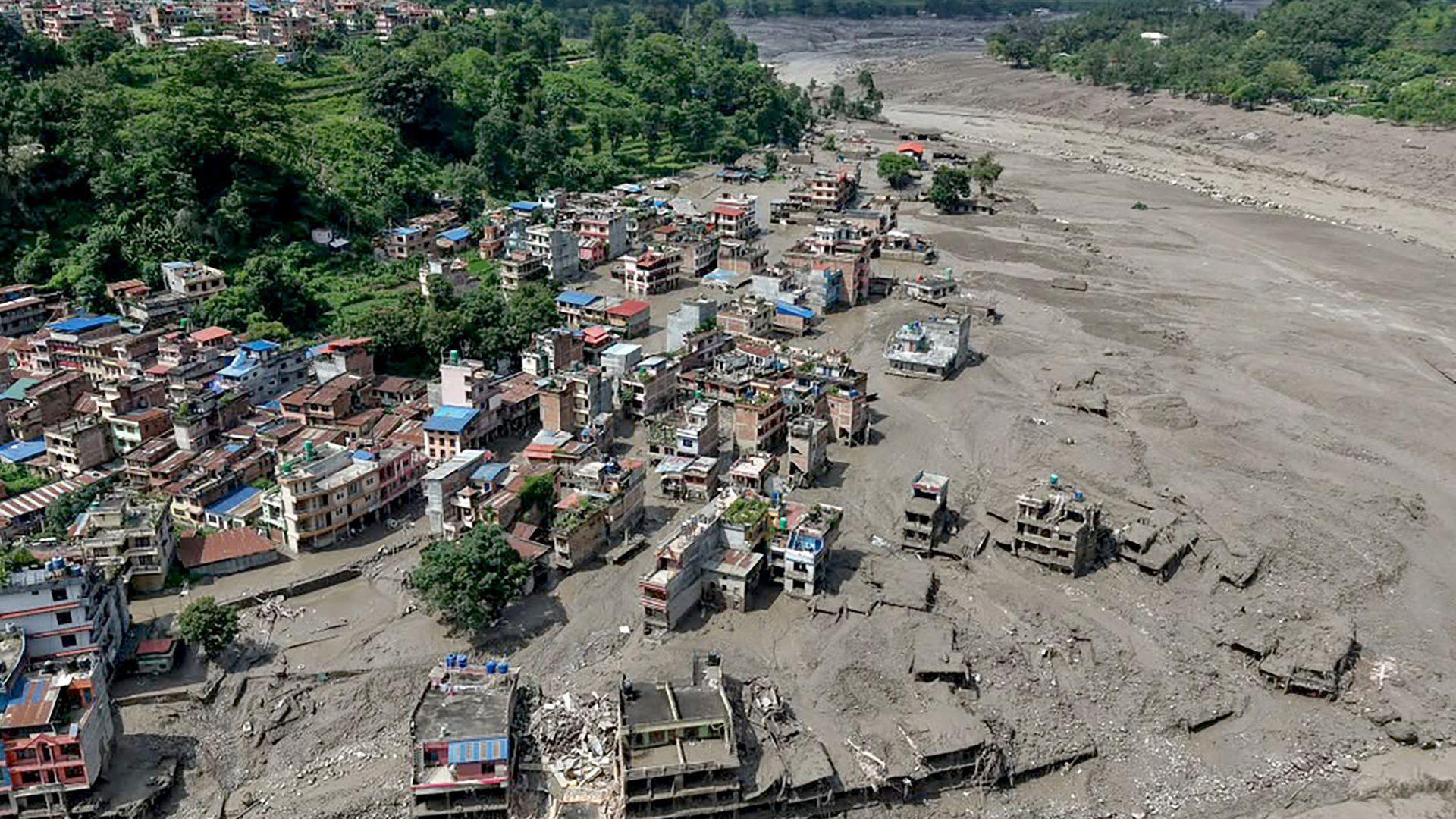
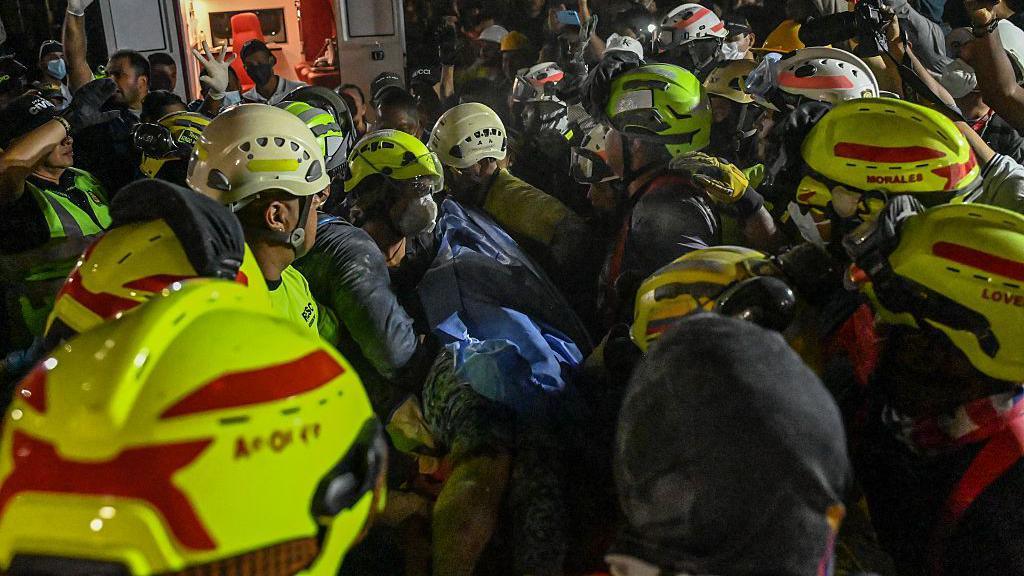
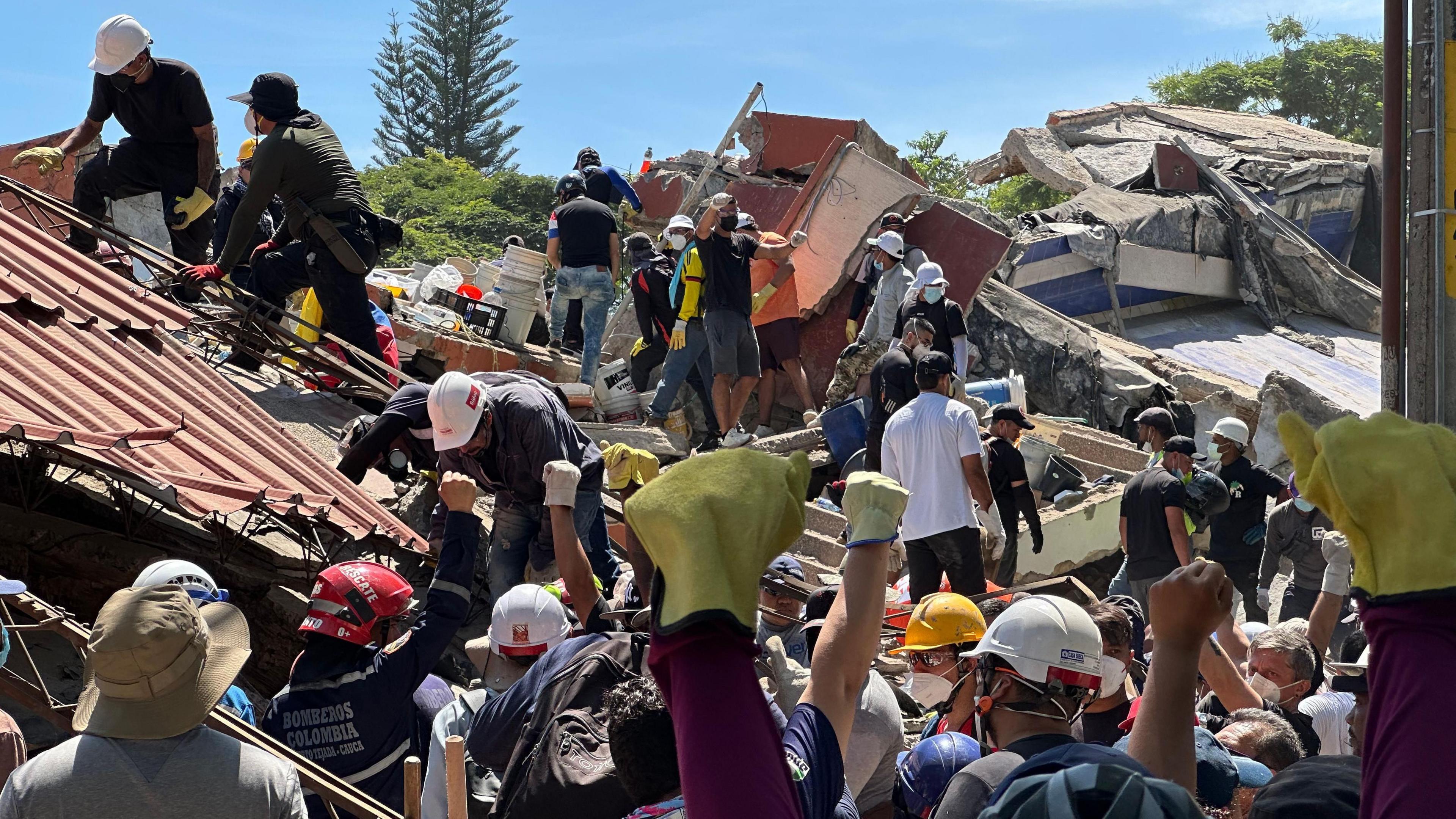
While rescue teams continue to sift through rubble—a scene captured in drone footage—victors, such as Lisbeth Portillo, who survived a hotel collapse, and Anderson Daniel Salcedo, who endured 40 hours inside rubble before medical teams amputated his legs, offer testimonies of survival amid a chaotic emergency that fosters fear and despair.
In this stark convergence of policy‑driven exile and natural catastrophe, the affected families are left to grapple with loss and uncertainty, demanding answers from a country stretched thin by a humanitarian crisis.