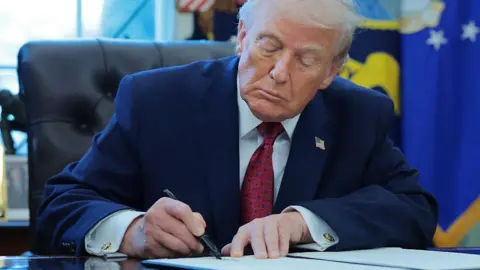
The United States has designated the Clan del Golfo, a prominent drug-trafficking organization in Colombia, as a terrorist group. This decision was formalized by the US Treasury Department, which added the gang to its list of Foreign Terrorist Organizations (FTOs). This designation arrives shortly after President Donald Trump signed an executive order categorizing fentanyl as a weapon of mass destruction, further intensifying the administration's aggressive stance against drug-related crimes.
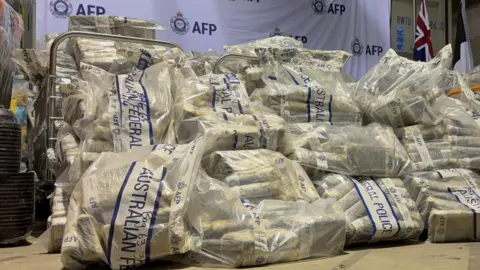
The Clan del Golfo, primarily involved in the trafficking of cocaine from Colombia to the United States and Europe, has been operational for decades and plays a crucial role in human smuggling activities, particularly through the perilous Darién Gap between Colombia and Panama.
In a statement, US Secretary of State Marco Rubio noted that the gang is implicated in numerous terrorist attacks on public figures, law enforcement officials, and civilians, highlighting the severe security challenges posed by the organization.
This move comes as Colombia's President Gustavo Petro had recently entered into peace negotiations with the Clan del Golfo. The US's intervention complicates these discussions, raising concerns about the future of peace efforts in a country long plagued by drug violence.
The designation not only freezes any assets the Clan del Golfo may have within the US but also enhances legal ramifications for any individuals or entities providing support to the group. The Trump administration has been ramping up its military operations against drug traffickers, including more than 20 lethal strikes on boats suspected of carrying narcotics in the Caribbean and the Pacific.
Despite the harsh critiques from Colombian officials regarding US interventions, including lethal strikes on suspected drug vessels, the Trump administration maintains that such actions are vital for US public safety, especially in light of the ongoing fentanyl crisis that claimed over 110,000 lives in the US in 2023. As the drug trade continues to interlace with global security concerns, this new designation raises important questions about the future dynamics of drug enforcement and international relations.
The Clan del Golfo, primarily involved in the trafficking of cocaine from Colombia to the United States and Europe, has been operational for decades and plays a crucial role in human smuggling activities, particularly through the perilous Darién Gap between Colombia and Panama.
In a statement, US Secretary of State Marco Rubio noted that the gang is implicated in numerous terrorist attacks on public figures, law enforcement officials, and civilians, highlighting the severe security challenges posed by the organization.
This move comes as Colombia's President Gustavo Petro had recently entered into peace negotiations with the Clan del Golfo. The US's intervention complicates these discussions, raising concerns about the future of peace efforts in a country long plagued by drug violence.
The designation not only freezes any assets the Clan del Golfo may have within the US but also enhances legal ramifications for any individuals or entities providing support to the group. The Trump administration has been ramping up its military operations against drug traffickers, including more than 20 lethal strikes on boats suspected of carrying narcotics in the Caribbean and the Pacific.
Despite the harsh critiques from Colombian officials regarding US interventions, including lethal strikes on suspected drug vessels, the Trump administration maintains that such actions are vital for US public safety, especially in light of the ongoing fentanyl crisis that claimed over 110,000 lives in the US in 2023. As the drug trade continues to interlace with global security concerns, this new designation raises important questions about the future dynamics of drug enforcement and international relations.