In brief
In the last two weeks, US and Israeli air strikes have targeted critical infrastructures in Iran, including bridges, steel plants, and pharmacies, following President Trump's ultimatum for an 'acceptable' deal with Iran. The strikes have raised alarms among international observers, with concerns regarding potential violations of international law and humanitarian principles as they have led to civilian casualties and significant damage to essential services.
Tracking recent US-Israeli strikes on Iranian infrastructure
President Donald Trump has pledged to target infrastructure across Iran unless the country reaches an acceptable deal to end the war with the US and Israel by Tuesday night.
In a threatening tone, Trump promised to bomb Iran back to the Stone Ages, indicating that US forces would specifically target bridges and power plants. He warned that a whole civilization will die tonight if an agreement is not met.
Since the conflict escalated, several attacks on vital infrastructure have occurred, damaging schools and hospitals critical for ordinary Iranians.
BBC Verify has confirmed that recent strikes have targeted at least two steel plants, three bridges, and a pharmaceutical facility over the past fortnight.
Despite warnings from some US Congress members and UN officials that these actions may constitute war crimes, Trump dismissed such concerns.
What civilian infrastructure has been hit by strikes?
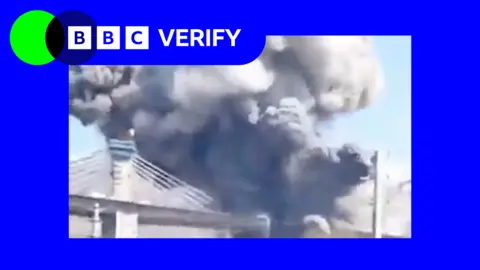
On Thursday, US aircraft targeted a bridge under construction in Karaj, resulting in at least 13 fatalities, according to local officials. Verified footage showed significant damage, including a large gap in the bridge.
Trump subsequently shared footage of the bridge's destruction, claiming it would never be used again.
Multiple steel plants have also suffered from the strikes. Visual confirmations showed smoke rising from the Isfahan Mobarakeh Steel Company, disrupting operations. Reports indicate that damage to facilities like the Khuzestan Steel Company could take up to a year to repair.
Israeli Prime Minister Netanyahu asserted that the strikes have compromised around 70% of Iran's steel production capabilities, potentially threatening a substantial portion of the Iranian economy.
In addition to industrial targets, attacks have hit the pharmaceutical industry, jeopardizing healthcare access at a pivotal moment in Iran's ongoing crisis. On March 31, the IDF claimed responsibility for a strike on a leading pharmaceutical company that allegedly contributed to developing chemical weapons.
As international scrutiny of these actions rises, the dire implications for civilian life and the humanitarian crisis in the region remain increasingly evident.
Legal experts have begun to question whether these actions could be considered violations of international law, particularly given the civilian impact seen thus far.