In brief
In a significant move for the AI industry, President Trump has signed an executive order that bars states from enforcing their own artificial intelligence regulations. This decision is seen as a victory for major tech companies advocating for centralized national legislation. The order seeks to streamline AI governance but faces backlash from critics, including California's Governor Gavin Newsom, who accuses it of undermining state rights and regulatory safeguards.
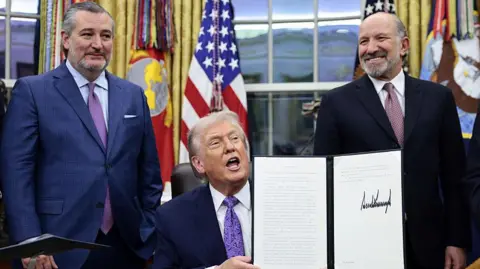
US President Donald Trump has signed an executive order aimed at blocking states from enforcing their own artificial intelligence (AI) regulations. We want to have one central source of approval, Trump told reporters in the Oval Office on Thursday. The order will equip the Trump administration with tools to counter the most onerous state regulations, although it will not oppose AI regulations concerning children's safety, as noted by White House AI adviser David Sacks. This decision marks a significant win for major technology companies that have been advocating for nationwide AI legislation, highlighting concerns that state-level regulations could impede innovation and slow the US's competitive edge against countries like China. The investment into AI technology is soaring, with firms pouring billions into its development. Critics of the order, including California's Governor Gavin Newsom, have voiced strong opposition, stating that the new directive undermines state efforts to protect residents from unsafe AI practices. Newsom accused Trump of corruption, claiming the order is a means for the President to enrich himself and his associates while compromising state laws that aim to ensure safety in AI technology. Other states such as Colorado and New York have also begun implementing their own regulations on AI, with advocates arguing that such laws are essential in the absence of substantial federal guidelines. Advocacy groups argue that eliminating state jurisdictions on AI safeguards creates a dangerous gap in protection for residents. The ongoing debate emphasizes the tension between federal oversight and state rights, as the nation navigates the fast-evolving landscape of artificial intelligence.