In brief
As Phase Two of President Trump's peace plan for Gaza is announced, concerns grow over Hamas's refusal to disarm, the unclear future governance structure, and the humanitarian crisis affecting 2.1 million Palestinians. The potential for renewed conflict looms as Israel maintains a strong military presence in the region, and international support for a stabilizing force is still uncertain.
On the face of it, the announcement of phase two of President Donald Trump's peace plan for Gaza would seem like progress.
However, there remains a huge lack of clarity and detail about the future of the strip and the 2.1 million Palestinians who live there, with many pitfalls looming.
Firstly, Trump's plan demands that Hamas, as well as other groups in Gaza, agree to disarm. Announcing phase two of the deal, the US Special Envoy to the Middle East, Steve Witkoff, stated that failure to comply would bring serious consequences. But Hamas has adamantly refused to give up its weapons, viewing them as essential for resistance against Israel's longstanding military occupation.
If Hamas maintains its position, far-right members of Israeli Prime Minister Benjamin Netanyahu's coalition government are eager to resume hostilities and finish the job. Despite significant losses, U.S. intelligence suggests that Hamas has likely seen an increase in recruitment within Gaza since the conflict's peak.
The existing ceasefire has already shown signs of fragility, with both sides accusing each other of violations. Since its enactment, reports indicate more than 450 Palestinian casualties from Israeli strikes, with three Israeli soldiers killed by Palestinian groups during the same period.
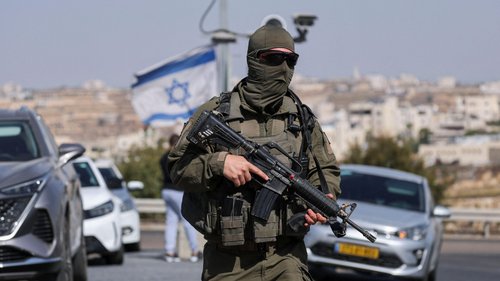
Another significant challenge is the ambiguity surrounding the extent of Israel's military withdrawal from Gaza. Israeli officials have not indicated a willingness to fully retreat, emphasizing the necessity for a strong security presence in the locale. Officials have hinted at a new reality in Gaza, signaling that conditions may never revert to the pre-attack state of affairs.
The question of governance further complicates the situation. A major concern arises regarding who will oversee Gaza's administration if Hamas is sidelined, as they have governed since winning elections nearly two decades ago. Several proposals have surfaced, including the establishment of an International Stabilization Force featuring personnel from Egypt, Turkey, UAE, Qatar, Saudi Arabia, and the Palestinian Authority, yet none have committed to this role.
Trump's plan outlines three governance levels in Gaza: a technocratic government, an Executive Committee based outside Gaza, and a Board of Peace chaired by Trump himself. However, skepticism exists regarding foreign involvement, seen by many as a form of colonialism.
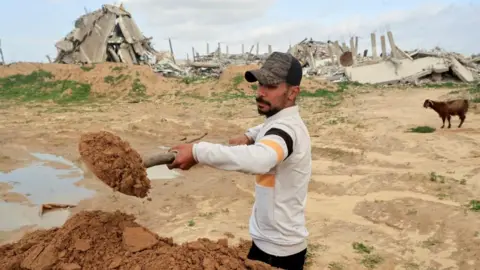
The humanitarian conditions in Gaza remain dire, exacerbated by recent harsh winter weather leading to severe flooding and displacement of hundreds of thousands. The impact on children, particularly their education, has been significant, raising questions about the future for the younger generation.
While the announcement of phase two of Trump's peace plan might suggest progress, the multitude of challenges poses substantial reasons for pessimism.