
In brief
Phase two of President Trump's peace plan for Gaza has been announced, but it faces numerous challenges. Key demands for Hamas disarmament remain unmet, and there is ambiguity regarding Israel's military presence in the region. The humanitarian situation is dire, leaving many Palestinians uncertain about their future amidst ongoing advocacy for a new governance model.
On the face of it, the announcement of phase two of President Donald Trump's peace plan for Gaza would seem like progress.
However, there remains a huge lack of clarity and detail about the future of the strip and the 2.1 million Palestinians who live there. Furthermore, there are many pitfalls.
First, Trump's plan demands that Hamas, as well as other groups in Gaza, agree to disarm. Announcing phase two of the deal, the US Special Envoy to the Middle East, Steve Witkoff, warned that failure to comply would bring serious consequences. Yet, Hamas has staunchly refused to disarm, viewing its weapons as essential for resisting Israel's long-standing military occupation.
If Hamas maintains its defiance, right-wing factions within Israeli Prime Minister Benjamin Netanyahu's government are eager to escalate military actions to finish the job. Despite significant losses, intelligence reports suggest that Hamas may have even strengthened its ranks during the war, rendering the ceasefire, established in October, already precarious.
The fragile ceasefire has seen both sides blaming each other for multiple violations, with over 450 Palestinians reportedly killed in Israeli strikes since its inception. Meanwhile, three Israeli soldiers have been reported dead due to attacks by Palestinian groups during the same timeframe.
Secondly, there is uncertainty surrounding the extent of Israel's military withdrawal from Gaza, with no signals suggesting a complete pullback. Israeli officials describe a new reality and insist that things cannot revert to what they were before Hamas's attack on October 7, 2023.
Governance is another critical issue. Questions loom over who will administer Gaza if Hamas exits the scene, given its historical governance role after winning elections nearly 20 years ago. Potentially, an International Stabilization Force has been discussed, including candidates from various nations such as Egypt and Turkey, but no commitments have been made, and local reception of foreign forces remains lukewarm.
The planned governance structure under Trump's plan proposes three tiers, with local technocrats overseeing Gaza, an Executive Committee based outside of Gaza, and a Board of Peace, chaired by Trump himself. This extensive external oversight raises suspicions among Palestinians, who feel it resembles colonialism.
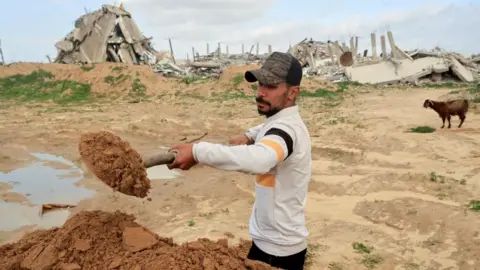
Compounding these issues is the dire humanitarian situation in Gaza. While more aid has entered since the ceasefire, agencies report that the needs are overwhelming. With severe winter weather wreaking havoc, many Gazans are left homeless, trapped in inadequate living conditions.
Despite appearances of progress with the new phase of the peace plan, the combination of disarmament demands, governance concerns, and the ongoing humanitarian crisis leaves many questions unanswered for the future of Gaza.

