In brief
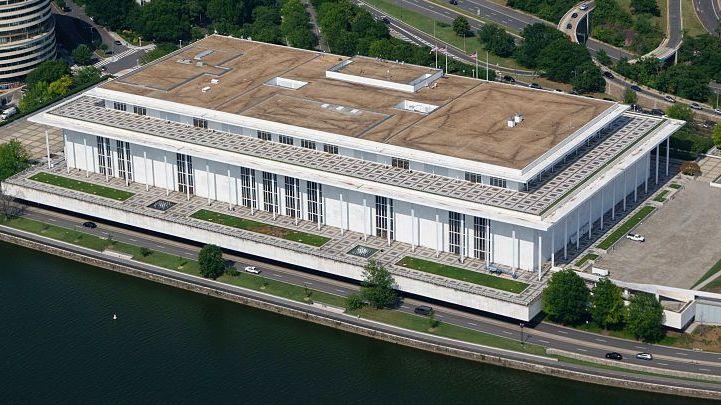
Trump allies are demanding the Kennedy Center be renamed after Donald Trump and have begun remodeling the campus, a move met with a court order that forced the removal of his name. The Justice Department is now threatening demolition if the renovation cannot proceed. Lawyers argue that the building’s structural decay could make demolition inevitable should funding dry up. The settlement would allow either a high‑profile restoration or a new outdoor amphitheatre overlooking the Potomac. The dispute reflects a broader pattern of Trump‑era changes to Washington’s historic landmarks.
The Trump administration is threatening the demolition of Washington’s Kennedy Center if the plan for major renovations is blocked by a court order. Court filings show the Justice Department asked that Donald Trump’s name be restored to the building after it was removed in June following a ruling that the name change was unlawful.
The lawyers warned that any order blocking the Board from recognizing the president would cause donors to flee, financial contributions to dry up and renovation work to stall. They argue that without the planned work the venue will become unsafe and eventually need to be taken down.
Trump’s case for the name change and the proposed renovations fits the pattern of rapid changes to Washington landmarks made since his return to the White House in 2025. Earlier this year the Kennedy Center board voted to add the former president’s name to the façade and plan a two‑year closure for renovations.
A U.S. judge in late May ruled that the renaming was illegal because the Kennedy Center is a memorial to President John F. Kennedy and therefore requires congressional approval. The judge ordered the name removed, an action carried out in June.
The current threat of demolition comes as Trump’s other projects—removing the White House East Wing to build a ballroom, renovating the National Mall’s reflecting pool, erecting a 250‑foot victory arch, and adding his name to the U.S. Institute of Peace—have stirred controversy.
If demolition proceeds, a future decision would be made on how to repurpose the site, possibly including a large outdoor amphitheatre overlooking the Potomac River.
The controversy underscores a broader debate over historic preservation versus political influence in Washington’s public spaces.