In brief
After hundreds of Canadian wildfires blanket northern United States with smoke, Donald Trump threatened to impose tariffs on Canadian goods over what he describes as ‘willful negligence.’ The U.S. President cited over 800 active fires in Canada, most of which are out of control, and blamed the haze for a nationwide health crisis with hazardous air quality alerts in cities from Detroit to New York. Canadian politicians, including Prime Minister Mark Carney and Ontario Premier Doug Ford, responded by asserting cooperation and stressing shared responsibility for climate change, while scientific experts noted that fire behaviour is largely driven by weather and climate conditions that ignore borders.
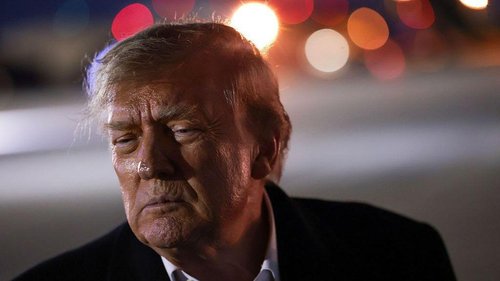
Former President Donald Trump took to Truth Social to warn Canada that the United States would impose new tariffs if it failed to curb the blazes that have released a thick blanket of smoke over the northern United States. Trump described Canada’s handling of its wildfires as “willful negligence” and said the haze “does not respect your borders.”
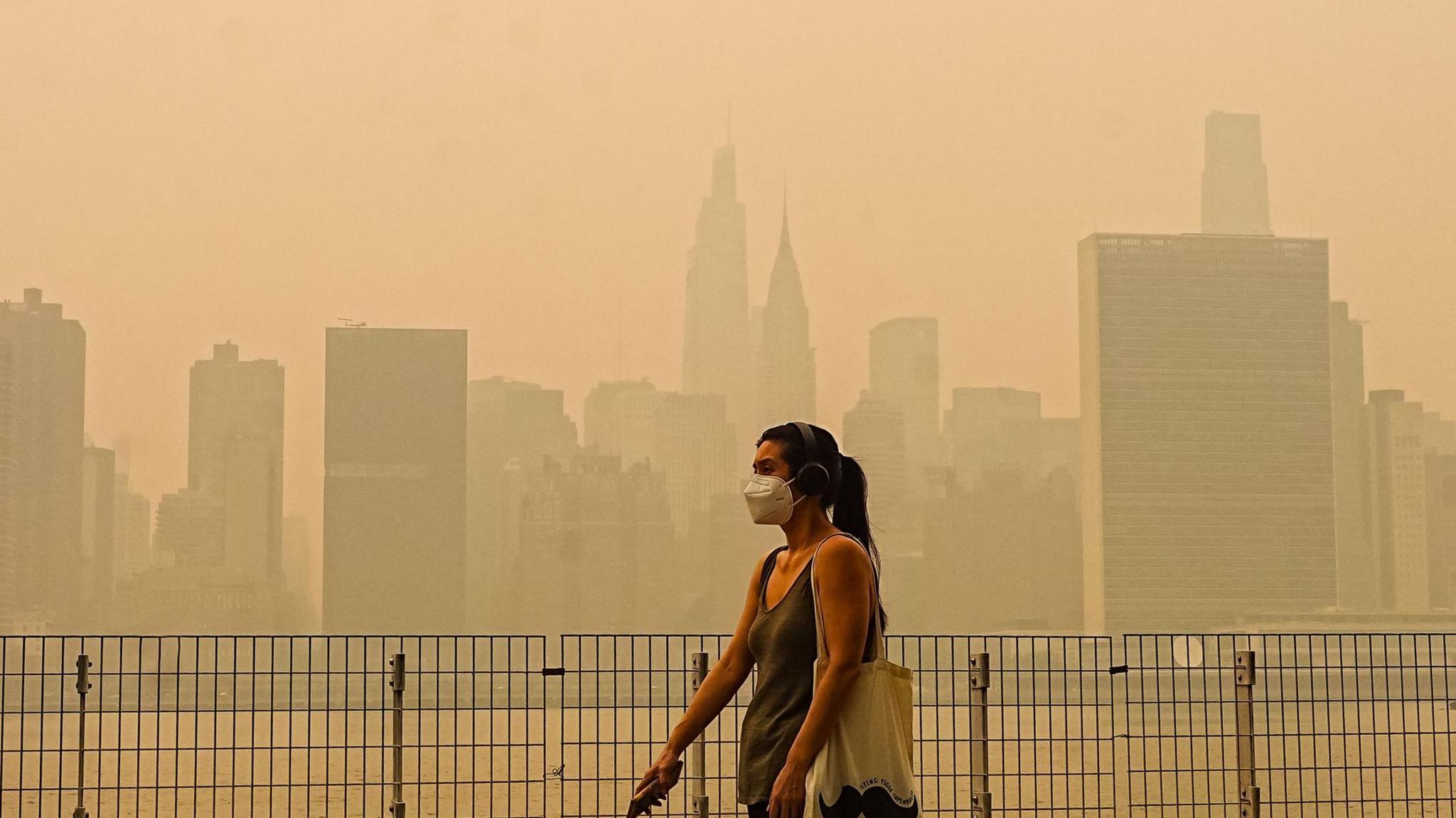
At the time of the post, the Canadian Wildland Fire Information System listed 888 active fires, 190 of which were located in Ontario. The majority were fire‑out‑of‑control, with nearly 3 million hectares already destroyed. The smoke spread across every corner of the region, bringing hazardous air‑quality alerts to cities as far south as Chicago and Detroit, and as far west as New York. Swiss air‑quality tracker IQAir reported Detroit had the worst air quality in the world.
The threat sparked criticism from U.S. lawmakers John James, John Moolenaar, Jack Bergman, and Lisa McClain, who branded the U.S. response as a “blame game.” They warned that Washington may have to intervene in cross‑border firefighting if Canada fails to act “adequately.” In reply, the Canadian government said that Canada has previously helped the U.S. with major fires in California and hurricanes in North Carolina.
Ontario Premier Doug Ford said it would be kinder to send help than to “complain.” He pointed out that Canada has spent more than a billion dollars on wildfire prevention since 2018 and that the provincial government deploys over 150 fire crews and more than 80 water‑bombing aircraft. Carney, the Prime Minister, added that “climate change is everyone’s responsibility” and that Canada was in close communication with U.S. partners.
Experts from the University of Toronto and the University of Waterloo reminded readers that weather doesn’t respect borders. Dr. Patrick James explained that flame fronts and smoke drift whatever the wind carries them. Dr. Anabela Bonada said that while forest management can reduce risk near communities, “climate change is a global issue, and it would be inaccurate to suggest that Canada alone caused these fires.” They emphasised that the current season’s intensity is largely a result of hotter and drier conditions linked to climate change.
The fallout extended beyond policy and science, disrupting cultural events across the U.S. Several major events—from summer camps in Chicago to concerts in New England—were cancelled or moved indoors due to air‑quality concerns. The United Nations World Cup final in New Jersey was also eyed for potential impact, though no formal meeting has been scheduled.
This controversy underscores the complex relationship between climate politics, international borders, and public health, as Canadian and American officials grapple with a shared problem that transcends national lines.