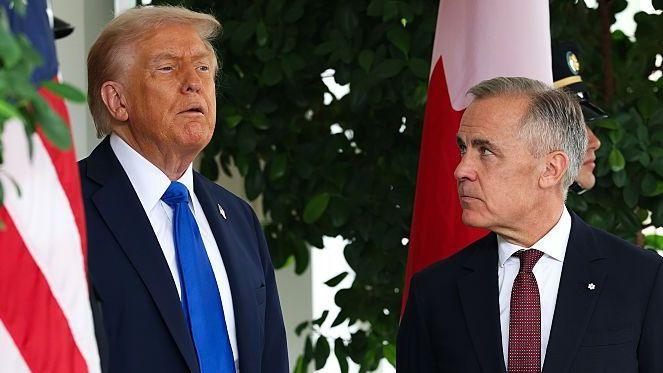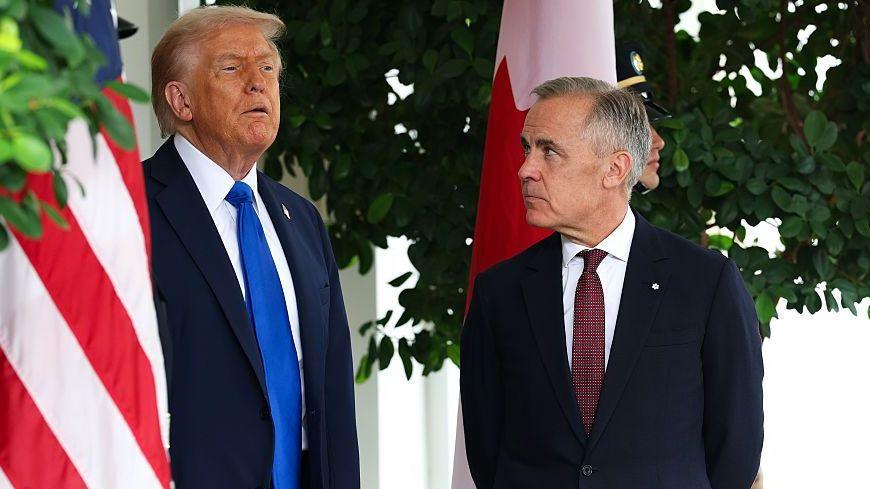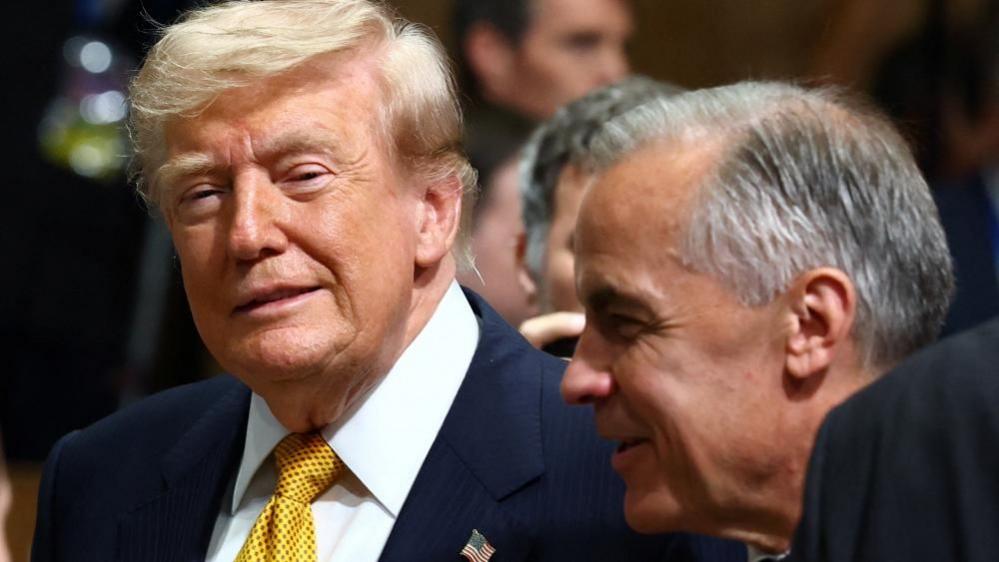
President Donald Trump announced a 50 % tariff on a broad array of Canadian imports, ranging from wine and hockey sticks to cement, citing alleged unequal treatment of U.S. cars, dairy and alcohol.
The new duties, scheduled to take effect in 30 days, target goods that were previously exempt under the USMCA and are set to raise trade tensions between the two neighbours.
Canadian officials highlighted that several key exports—energy, potash, critical minerals and fish—will be spared, while the government is preparing to respond by intensifying trade talks and “considering all options” to protect domestic industries.
The move follows a long‑standing frictions since Trump’s return to office, during which the U.S. WIPO‑enabled tariffs were deemed unlawful by the Supreme Court. The administration has since sought alternative legal channels to enforce its trade agenda.
U.S. consumers warn that the steep import charges risk inflating prices, while economists note that the tariffs could negatively impact the broader supply chain.
Trump’s announcement has sparked speculation that the U.S. may soon roll out fresh tariffs on other countries, with the White House identifying “action soon” on other trade partners.
The tariffs compound an existing U.S. trade-burden on Canadian gypsum, steel, aluminium and copper—90 % tariffs on steel and 35 % on softwood lumber, plus a 25 % tax on non‑U.S. parts in cars.
Canada has responded with a 25 % counter‑tariff on selected U.S. steel, aluminium and automobile components, a retaliatory move that was later scaled back.