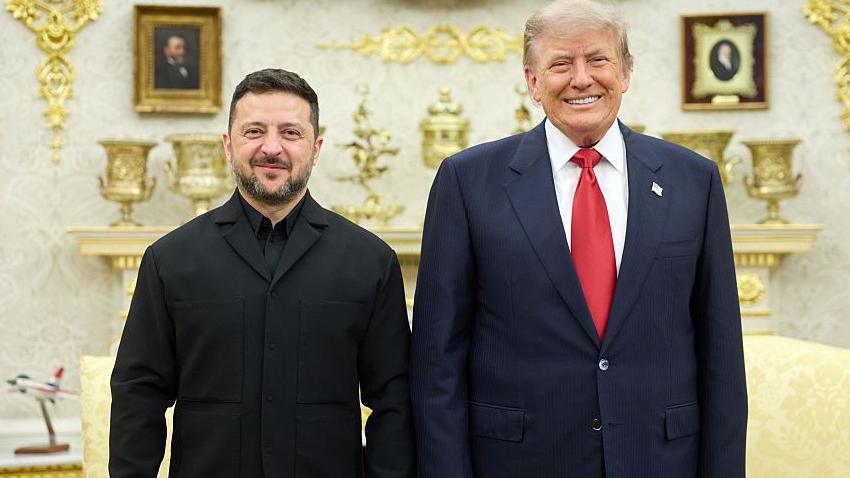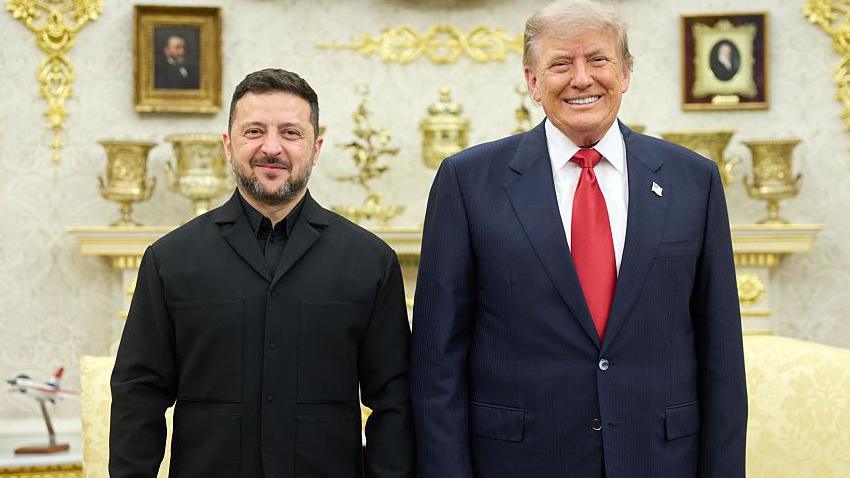
U.S. President Donald Trump hosted two separate, closed‑door meetings in Washington with Ukrainian President Volodymyr Zelensky and Israeli Prime Minister Benjamin Netanyahu. The White House immediately characterized the talks as "positive and productive" and praised Trump’s diplomatic outreach.
Zelensky arrived to discuss Ukraine’s pressing need for air‑defence upgrades, specifically a licence to produce Patriot interceptor missiles so Kyiv could strengthen its shield against escalating Russian drone and ballistic strikes. For the first time, the Ukrainian leader said that Trump had agreed to provide such licences, a claim echoed in a Fox News interview where Zelensky said, "He accepted that he will give us licences, and then I had a meeting with representatives of production, very strong military companies of the United States. I hope that we will do co‑production."
Meanwhile Netanyahu met the president during a period when U.S.‑Israel ties had frayed over divergent views on Iran’s nuclear developments. Netanyahu told Israeli media that the discussions centered on ensuring Iran remains banned from acquiring nuclear weapons and shared strategic objectives, calling the conversation "one of the best I have had with the president of the United States." A photograph of the leaders, shared by Netanyahu on X, showed them smiling in the Oval Office.
Both meetings occurred in the wake of the funeral of former Senator Lindsey Graham, a staunch supporter of Israel and advocate for U.S. aid to Ukraine, who died earlier this month. The leaders convened at the White House, underscoring the enduring U.S. support for the Ukrainian war effort and close ties with Israel.
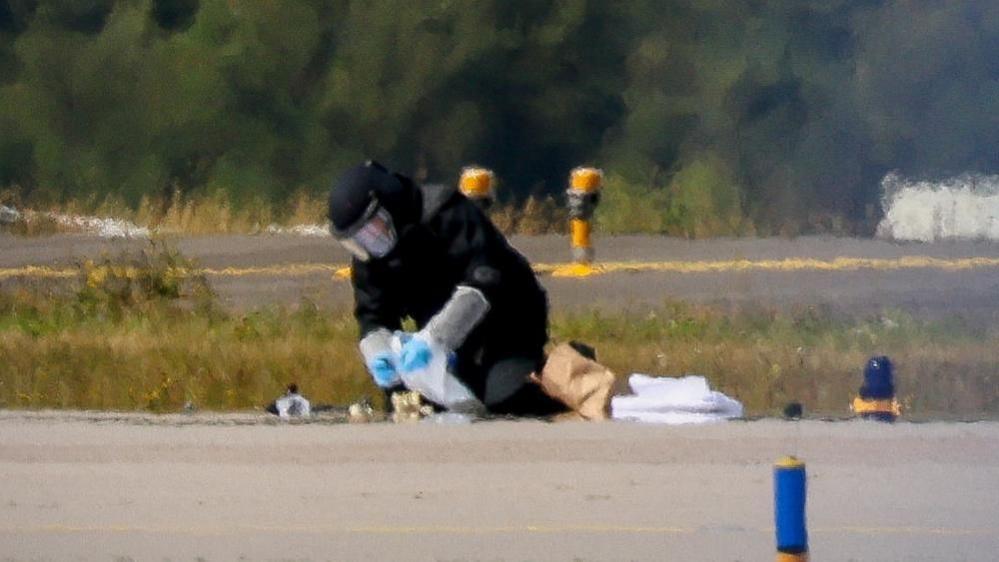
Trump posted briefly on Truth Social that the closed‑door meetings “went very well!” and that the sessions would help cement international defense cooperation. The U.S. military later confirmed that it had intercepted an Iranian missile launch aimed at its forces, reinforcing the urgency of the talk about Iran’s potential nuclear armament.