In brief
Tesla and SpaceX teams showcased a new Roadster equipped with vertical‑take‑off jets, capable of hovering and airborne turns. CEO Elon Musk pitched the vehicle as a step toward a future of flying cars and urged the public to witness the technology live. Demonstrations included a ramp launch, mid‑air spinning, and a jet‑powered landing. Technology experts point out that regulatory hurdles, safety issues, and practical engineering challenges still stand in the way of a mainstream flying car. Despite the hype, the presentation offered more entertainment than a proven marketable product.
Tesla’s New Roadster Goes to the Skies
At a Texas launch site owned by SpaceX, Tesla unveiled a redesigned Roadster that can hover and spin in midair thanks to compact turbo jets beneath its chassis. During the live demo, the car leapt down a steep ramp, executed a 360‑degree turn, and landed cleanly on a flat surface.
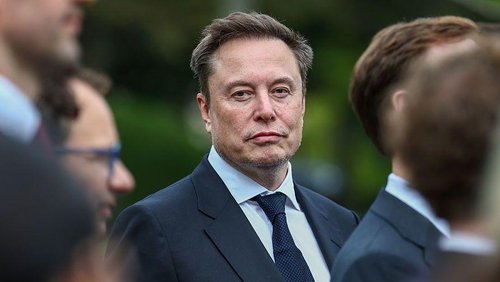
Elon Musk, Tesla’s CEO, promised that the vehicle marks a step closer to a future of airborne personal transport. He encouraged the audience to watch the car “flip in the air” and emphasized that the test was a public demonstration, not a claim that the car is ready for everyday use.
Automotive technology editors caution that practical flying cars face a range of obstacles before becoming mainstream. Regulatory approval, safety protocols, battery endurance and public acceptance all present significant roadblocks, according to expert commentary.
While the spectacle was widely shared on social media, industry observers note that the current prototype is still a proof‑of‑concept vehicle. Tesla and SpaceX may use the demo to validate design elements, but widespread adoption will likely be years away.
Key Takeaways
- Roadster equipped with jets can hover and spin.
- Demo was performed at a SpaceX Texas facility.
- Elon Musk highlighted the model as a glimpse of future mobility.
- Experts point to regulatory and technical hurdles.
- Flying cars are still many years from mass deployment.