In brief
Elon Musk has confirmed his intent to merge Tesla and SpaceX. He believes the combined company will leverage AI, self‑driving cars and satellite networks for the future of human transportation, including a Martian outpost. While special committees study the deal, shareholders must approve and regulatory scrutiny looms. The merger would solidify Musk’s control and could transform automotive and aerospace tech, though customers may see minimal short‑term changes.
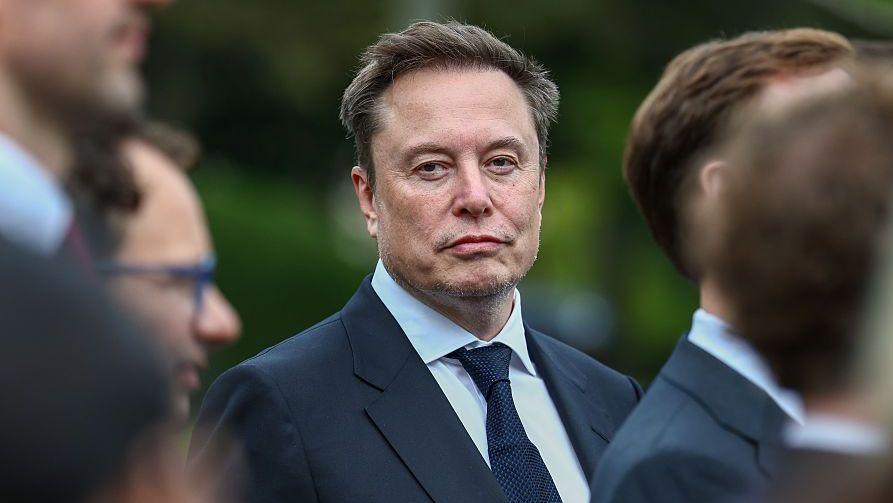
Elon Musk has been the architect of two of the world’s most valuable tech ventures. Tesla, the electric‑car maker, is worth about $1.5 trillion, while space company SpaceX is close behind at $2 trillion. Now the billionaire wants to combine them into a single unit.
When asked by reporters, Musk answered outright, “Yes.” He added that special committees have been formed to evaluate a merger, but he made it clear that nothing is guaranteed.
If the deal goes through, it would be the largest merger ever, changing the shape of both the automotive and aerospace landscapes. Musk sees huge upside in pairing Tesla’s self‑driving cars, robots and energy products with SpaceX’s rockets, satellite network and AI infrastructure.
Chief Technology Advisor David Nicholson of The Futurum Group said that the possibility is a “100 percent” question of timing. He pointed to the recent Roadster reveal – a flying car powered by SpaceX rocket thrusters – as a hint that the two companies are moving in lockstep.
The merger would also help Musk execute his long‑term goal of building a self‑sustaining city on Mars, a vision that requires massive investment and integration of orbital and terrestrial technology.
Nonetheless, shareholders must approve the deal – a threshold Musk described as a “quite high hurdle.” Tesla shareholders would need to approve a vote that would give them a smaller stake in a far larger and more complex enterprise. Investment analyst Dan Sheehan believes shareholders will back it because the combined tech portfolio is highly complementary.
For Tesla drivers the change may feel subtle. An expert noted that vehicles are an afterthought compared with the potential of driving the projects forward. Tesla is already refocusing on its Model Y and Model 3 lines and has begun building humanoid robots at its California plant.
Through the merger Musk would gain greater voting control over the new entity. While the deal won’t add to his wealth directly, it would consolidate his stake into one powerful stock that could further accelerate his Mars ambitions.
The proposal will be under closer regulatory scrutiny, especially in the wake of the U.S. midterm elections. Musk’s polarising reputation may play a role as lawmakers re‑examine competition and space‑industry regulations.
In the market, SpaceX shares jumped 8% in after‑hours trading and Tesla up 1.5%, reflecting investor optimism about the potential synergies.
Whether the merger will crystallise remains to be seen, but the idea already signals a bold step toward unifying terrestrial and extraterrestrial tech under a single corporate banner.