In brief
As wildfires intensify due to climate change, the hazardous smoke they produce is posing a significant threat to public health. Experts warn that it is increasingly contributing to respiratory and heart diseases, with air quality deteriorating in affected regions like Los Angeles.
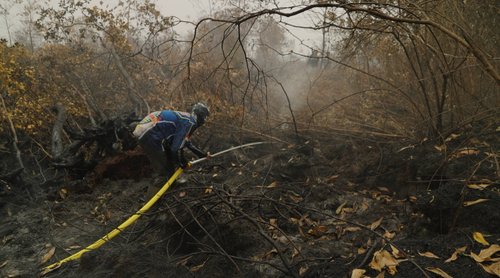
The air pollution caused by wildfires is emerging as a troubling health threat in our increasingly warming world, outpacing fatalities from car crashes, war, and illegal drugs. According to evolving research, wildfire smoke, with its dangerous cocktail of particulate matter, nitrogen dioxide, ozone, and lead, is responsible for approximately 675,000 premature deaths annually worldwide. This alarming figure underscores how these environmental disasters are setting back years of progress in curbing pollution from conventional sources like vehicles and industrial facilities. Dr. Afif El-Hasan, a prominent pediatrician from Kaiser Permanente specializing in asthma, highlights the dual threat wildfires pose to both homes and health. "It's heartbreaking," he notes, anticipating that the health impacts will only grow more severe. This week, as wildfires wreaked havoc across the Los Angeles area, air quality deteriorated, prompting residents to return to their neighborhoods, now littered with ash and debris. Air pollution levels soared, particularly in areas like coastal northwest Los Angeles, where the air quality index reached dangerously high levels. Experts, including Carlos F. Gold from the University of California, San Diego, warn that such pollution increases daily mortality rates by up to 15 percent. With the ongoing threat of wildfires, the risks associated with their smoke are drawing increasing concern as they represent an unrecognized health crisis associated with our changing climate.