In brief
After a tragic plane crash in December that resulted in significant loss of life, South Korea is taking measures to enhance aviation safety. The Ministry of Land has announced that all airports will be required to install bird detection cameras and thermal imaging radars by 2026. An ongoing investigation into the crash revealed that a bird strike may have been a contributing factor, prompting the urgent need for improved bird detection systems.
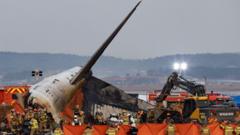
South Korea is taking decisive action to bolster aviation safety following a deadly plane crash in December 2022 that claimed 179 lives. All airports in the country will now be mandated to install bird detection cameras and thermal imaging radars as part of a comprehensive safety plan set to roll out by 2026. The move comes after investigators found evidence of a bird strike on the Boeing 737-800, which included feathers and blood stains on the aircraft's engines. This tragedy was the deadliest air disaster in South Korea's history, prompting a thorough investigation that continues to address the potential role of the bird strike and an unfortunate collision with a concrete structure at the runway's end during an emergency landing. "The deployment of bird detection radars is crucial for the early identification of birds and will significantly improve our response capabilities in the air," stated a ministry representative. These radars will relay size and movement data to air traffic controllers, enhancing safety protocols. Additionally, every airport is required to have at least one thermal camera installed; presently, only four airports in South Korea are equipped with such technology.Further measures include relocating sites that attract birds, such as waste dumps, away from airport proximity. Last month, South Korea also announced plans to adapt runway safety areas across seven airports in light of a safety review prompted by the crash. While the official cause of the crash remains under investigation, aviation safety experts noted that the casualty count could have been lower had it not been for the concrete structure the aircraft hit during its emergency landing. On December 29, 2022, the ill-fated flight operated by Jeju Air had taken off from Bangkok heading to Muan International Airport. Just after takeoff, air traffic control warned pilots of "bird activity." Minutes later, the pilots reported a bird strike, leading to a mayday call as they requested an alternative landing approach. Unfortunately, the plane belly-landed and exploded upon impact with the structure. The disaster left two cabin crew members as the only survivors among the 179 passengers aboard, who ranged from three to 78 years old, with most in their middle ages. A preliminary report showed that critical flight data stopped recording just before the incident as the investigation into the black boxes continued. The updates highlight the pressing need for enhanced technology in the aviation industry to prevent future incidents.