In brief
Sudan's military-led government has returned to Khartoum after being based in Port Sudan for almost three years due to civil war. Prime Minister Kamil Idris announced the government's return on Sunday, vowing to restore basic services to the city's residents. The conflict has resulted in extensive damage and uprooted millions, prompting international concerns over the humanitarian crisis unfolding in the country.
Sudan's military-led government has returned to the country's capital after nearly three years of operating from its wartime base in the eastern city of Port Sudan.
Sudan's Prime Minister Kamil Idris told reporters on Sunday that the government of hope was officially back in Khartoum and would begin efforts to improve services for the city's beleaguered residents.
The military was forced out by the paramilitary Rapid Support Forces (RSF) when civil war erupted between the two sides in 2023. The army recaptured it in a significant breakthrough last March.
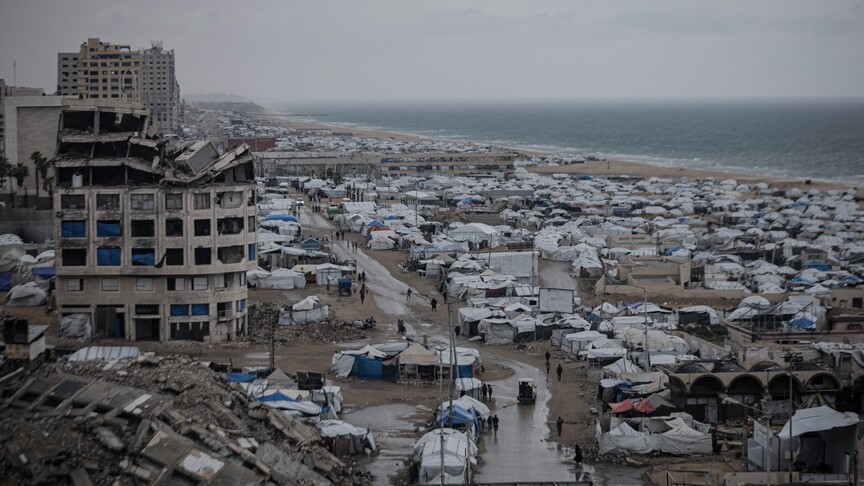
Khartoum has been recovering from years of fighting. Roughly five million fled the city at the height of the conflict, according to the UN.
Those unwilling or unable to leave described a brutal RSF occupation, which included mass looting and fighters taking over civilian homes.
In October, UN official Ugochi Daniels reported that basic services were barely functioning. On Sunday, Idris said the government would work on improving electricity, water, healthcare, and education in Khartoum.
He also declared that 2026 would be a year of peace for Sudan, where at least 150,000 people have died since the war erupted.
The UN has described the situation as the world's worst humanitarian crisis, with around 12 million people forcibly displaced.
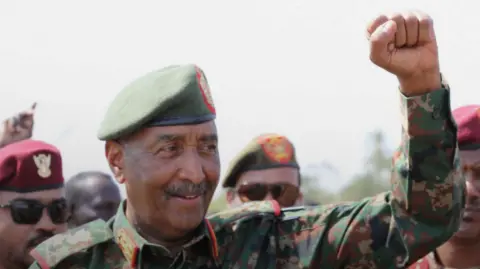
The war began after the head of the army, General Abdel Fattah-al Burhan, fell out with his deputy and RSF leader General Mohamed Hamdan Dagalo, leading to a vicious struggle for power.
Both the RSF and the Sudanese military have been accused of committing atrocities throughout the conflict. International efforts to broker peace have failed, and both sides are backed by foreign powers that have poured weapons into the country.
The United Arab Emirates (UAE) has come under particular scrutiny recently over allegations of supporting the RSF, which it strongly denies.