In brief
Thousands of migrants poured into Spain’s North African enclave of Ceuta from Morocco, with at least 15 drowning in the chaotic crossing. The spill‑over prompted Madrid to deploy troops to bolster the Civil Guard amid fears of overwhelmed reception centres. Spain’s Supreme Court decision to protect stranded migrants has intensified calls from the EU for stricter border control measures, while Italy threatens to suspend Schengen cooperation over the crisis. The incident highlights the fragile security and humanitarian situation at Europe's southern borders.
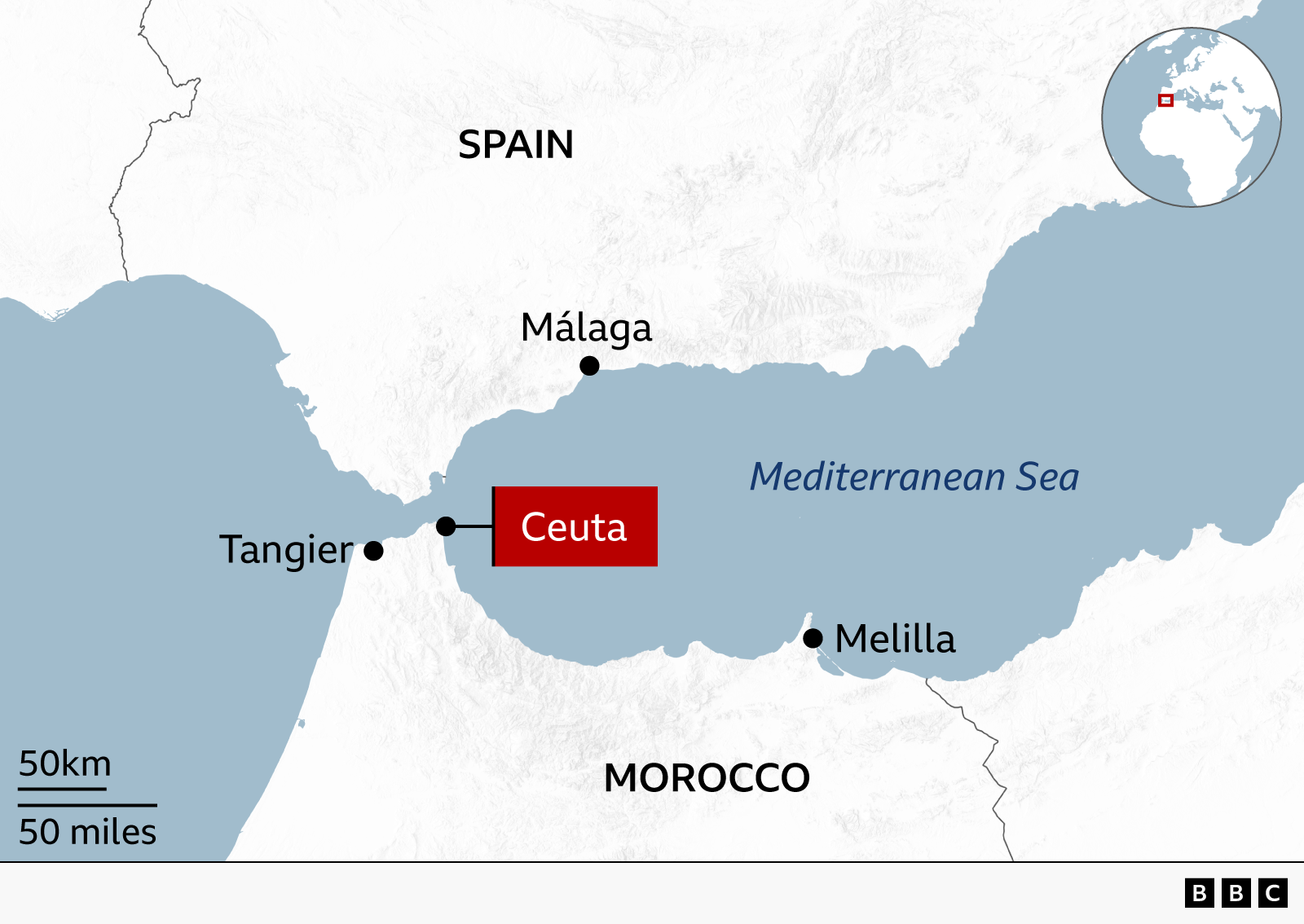
Spain has sent troops to bolster security in its North African enclave of Ceuta after thousands of migrants swam from Morocco across the border on Thursday, amid a surge of illegal crossings that threatened to overwhelm local authorities.
At least 15 people lost their lives while attempting to reach Ceuta, according to local officials who said border controls seemed to have collapsed during the chaotic scenes. The rough waves and narrow jetty at the border left many swimmers trapped, and reported footage showed rubber rescue rings and flippers on Spanish shores.
Spain’s Supreme Court has ruled that migrants stranded at sea while trying to reach either Ceuta or nearby Melilla cannot be summarily returned to Morocco. The interior ministry has accused human‑trafficking networks of fueling the flow of undocumented migrants, while the government says the armed forces will reinforce the Civil Guard and other agencies to maintain security in the city.
The situation has spilled into international diplomacy: Italy’s Prime Minister Giorgia Meloni said she is considering suspending the open Schengen border with Spain over the crisis, while Spain’s cabinet has pledged to bring the situation back to normal quickly following the Prime Minister’s visit on Friday. The Spanish Foreign Minister has condemned claims of using immigration for political ends, calling for European solidarity instead of partisan demagoguery.
Ceuta and Melilla remain the only EU land borders with Africa, and rising numbers of migrants—estimated between 2,000 and 3,000 on the day of the crossing—have highlighted ongoing security gaps. Spanish authorities have increased surveillance, reinforced barriers and strengthened bilateral ties with Morocco, but the persistent flow of people demonstrates the limits of current measures.