In brief
This piece explores the rise of female authors in South Korea who are thriving despite facing hatred and backlash primarily from men. Key figures like Seen Aromi, whose bestseller celebrates singlehood, highlight the ongoing revolution in the literary scene as women reclaim their voices. The backlash against feminism in societal contexts hasn't deterred these writers, who continue to find community and empowerment through writing groups and events.
When Seen Aromi's memoir documenting the joys of singlehood hit the shelves in early 2024, it became an instant bestseller.
Women young and old, single or married, those with children and without seemed to relish So What if I Love My Single Life!, drawing second-hand satisfaction from Seen's confident retorts to unsolicited advice, or finding in it the freedom to be unapologetically single.
But soon her success encountered a deluge of criticism and hate online, largely from men. They told her she would die lonely, called her selfish, and accused her of betraying her country.
Embracing female independence and challenging patriarchy has become increasingly dicey in South Korea, where young men have driven a huge backlash against feminism. Discrimination, harassment, and sexual violence against women remain huge challenges, but feminism has become such a polarised term here, often levelled as a grave charge, inviting witch-hunts online and censure offline.
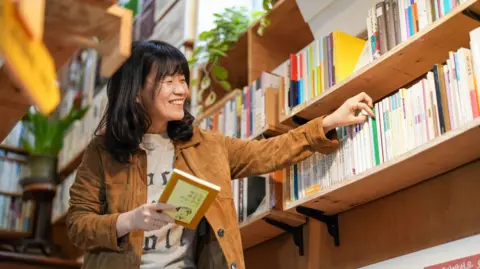
Now women are carving out a space to share their stories, shaping a quiet revolution in the country's literary scene. This year, women swept the Yi Sang Awards for the first time, winning in all six categories. Book talks, reading, and writing rooms called guelbang have sprung up, offering time and space for women to gather.
The MeToo movement encouraged many women to speak up, leading to a growing presence of female voices in literature. Many women who attended classes or workshops became writers themselves, sharing their stories and experiences.
Authors like Han Kang, who won the Nobel Prize in Literature, have opened doors for the next generation. The rise of women authors has been met with increased interest in translated Korean literature globally, doubling sales compared to previous years.
As Seen Aromi shares her journey, she has come to symbolize a broader cultural shift in the portrayal of women's experiences in South Korea, paving the way for future narratives.