Russia Responds to Mysterious Death of Woman Linked to Plague Lab
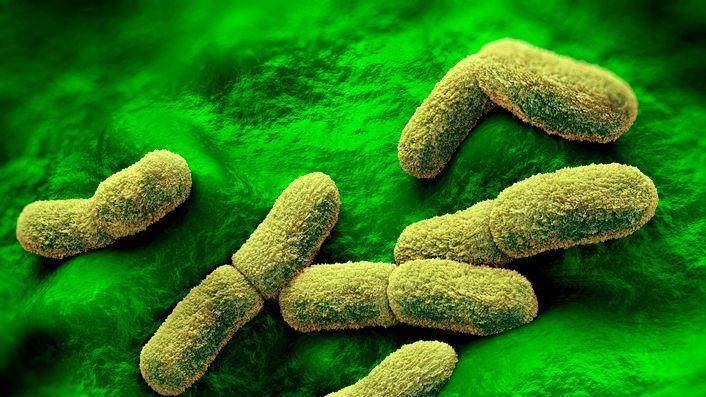
At least a day after Russian authorities confirmed the unexpected death of a woman who was reportedly involved with a high‑containment plague research facility in the city of Novgorod, the State Health Ministry issued a statement clarifying that the incident was unrelated to laboratory activity.
"The deceased’s death was due to natural causes and not connected with any activities at the vaccine development facility," the ministry’s spokesperson, Oleg Sokolov, said. He added that laboratory protocols were strictly followed and that no evidence of a harmful pathogen had been detected.
The spokeswoman also highlighted that the investigation was ongoing, involving both forensic and virology specialists, and that the laboratory’s bio‑security measures complied with international standards. However, the statement provided no further details on the nature of the laboratory’s work or the cause of death.
The death has raised alarms among the global health community, as it follows a series of incidents that have questioned the safety of high‑level biosafety facilities. Dr. Maria Li, an independent virologist from the University of Toronto, urged the Russian government to make all data from the incident publicly available, stating that transparency is crucial to restore international confidence.
In parallel, U.S. officials have expressed concern over the incident, citing a need for a joint investigation. “We are prepared to collaborate with Russian counterparts to verify the safety protocols in place and to clarify any potential risks,” a spokesperson for the U.S. Centers for Disease Control and Prevention said.
Meanwhile, critics say that the quick dismissal of any connection to the laboratory may be premature. Some experts point to the history of accidental releases in labs with a history of accidents and call for rigorous independent oversight.
The Russian government has not yet acknowledged any possibility of a lab‑related incident. It maintains that all research activities occur under strict biosafety level 4 conditions, designed to contain dangerous pathogens. Until the independent inquiry is completed, the debate over the incident’s implications for bio‑security policy remains open.