Somalia Referee Barated From US, Squeezing FIFA From Tour de Force
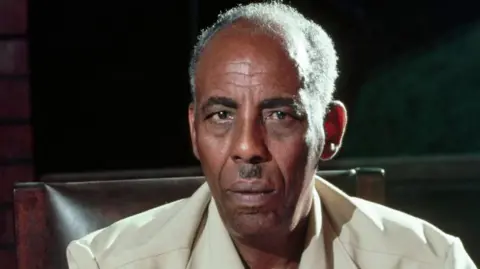
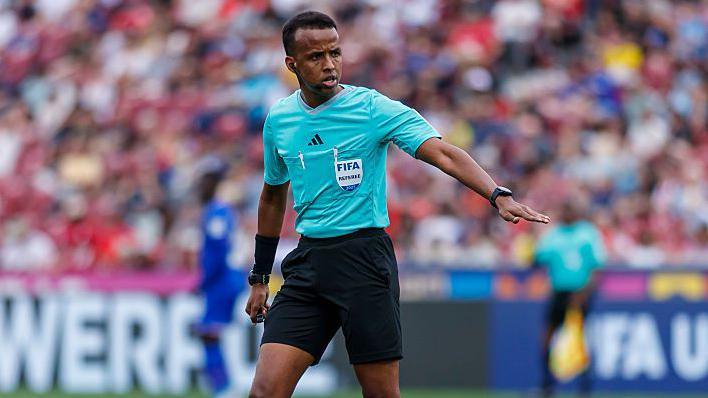
In a startling blow to the 2026 World Cup, Somalia’s top referee Omar Artan was denied entry to the United States after a long interrogation at the Miami border. Artan, who earned his reputation by taking charge of continental finals and U‑20 World Cup matches, was turned away despite holding a valid visa, preventing him from officiating in a tournament he had long aspired to join.
The Incident
Artan arrived in Miami with the other 51 FIFA referees, hoping to finalize preparations for the tournament. He was subjected to an 11‑hour grilling by immigration officials who questioned his background and intentions. Eventually the officials decided to return him on the same flight he had taken, an action that left the referee visibly distressed and the media stunned.
Broader Implications
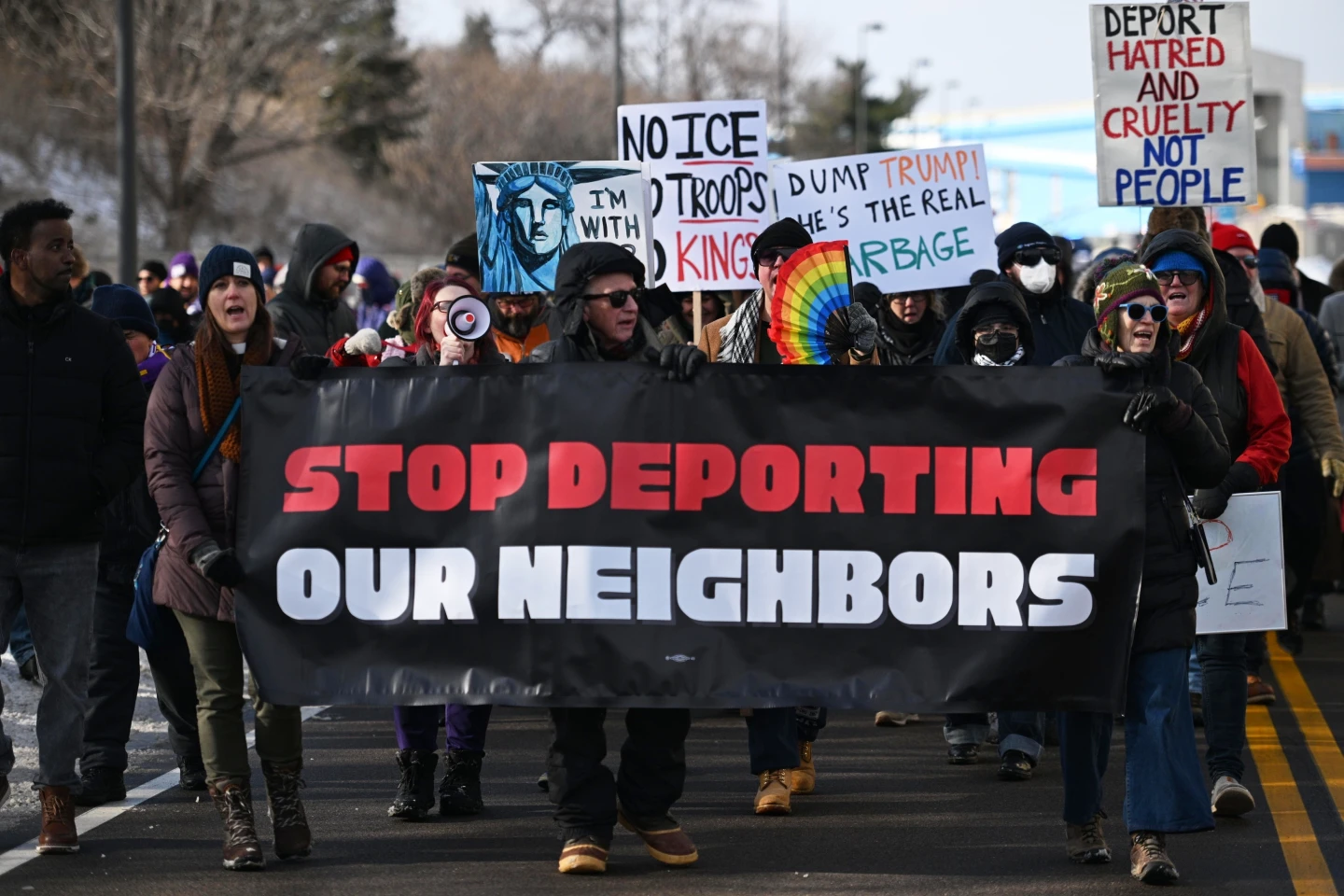
The incident has cast a shadow over FIFA’s relationship with United States authorities. Trump’s administration has previously enacted broad immigration restrictions, naming Somalia among five nationals barred from entering the country. Infantino’s public stance that a host’s visa policies should not hinder competition is now seriously called into question.
FIFA’s Response
FIFA has stated it has no involvement in the US’s visa adjudication process and has limited its involvement to sport‑specific travel arrangements. It has urged the U‑S authorities to make accommodations for its officials, yet the message remains largely unheeded.
Fan and Team Concerns
Storylines similar to the referee case have emerged for fans, players, coaches and journalists, many of whom have reported delays, detentions and rejections at customs. Such restrictions threaten to undermine the cross‑border spirit of the World Cup and may affect team logistics amid the 48‑hour lead‑up to the launch of the tournament.
Should further officials or contestants be required to submit lengthy waivers or raw background checks, the organizers risk re‑tracing the controversies of Russia 2018 and Qatar 2022, where host nations engaged in aggressive visa policies for non‑football reasons.
Conclusion
The Omar Artan event demonstrates a tangible clash between FIFA’s sporting ambitions and the United States’ immigration agenda. With the world watching, the ruling bodies must safeguard the integrity of the 2026 World Cup by ensuring fair treatment for all officials and fans alike. If procedures remain influenced by political pressure, the tournament risks becoming a casualty of bureaucratic post‑cards rather than a celebration of global football talent.