In brief
Social‑media content creators are spotlighting the peace of living alone, starting with Lana Isa’s TikTok Friday‑night routine that went viral to reach 175,000 followers. While critics say such videos romanticise isolation, many fans value the authenticity and intimate connection it offers. Experts caution that human connection remains necessary although the trend has given a new narrative that being alone can be empowering and even a path to new friendships.
Solitude Is the New Trend: Women Turn Alone Into a Lifestyle
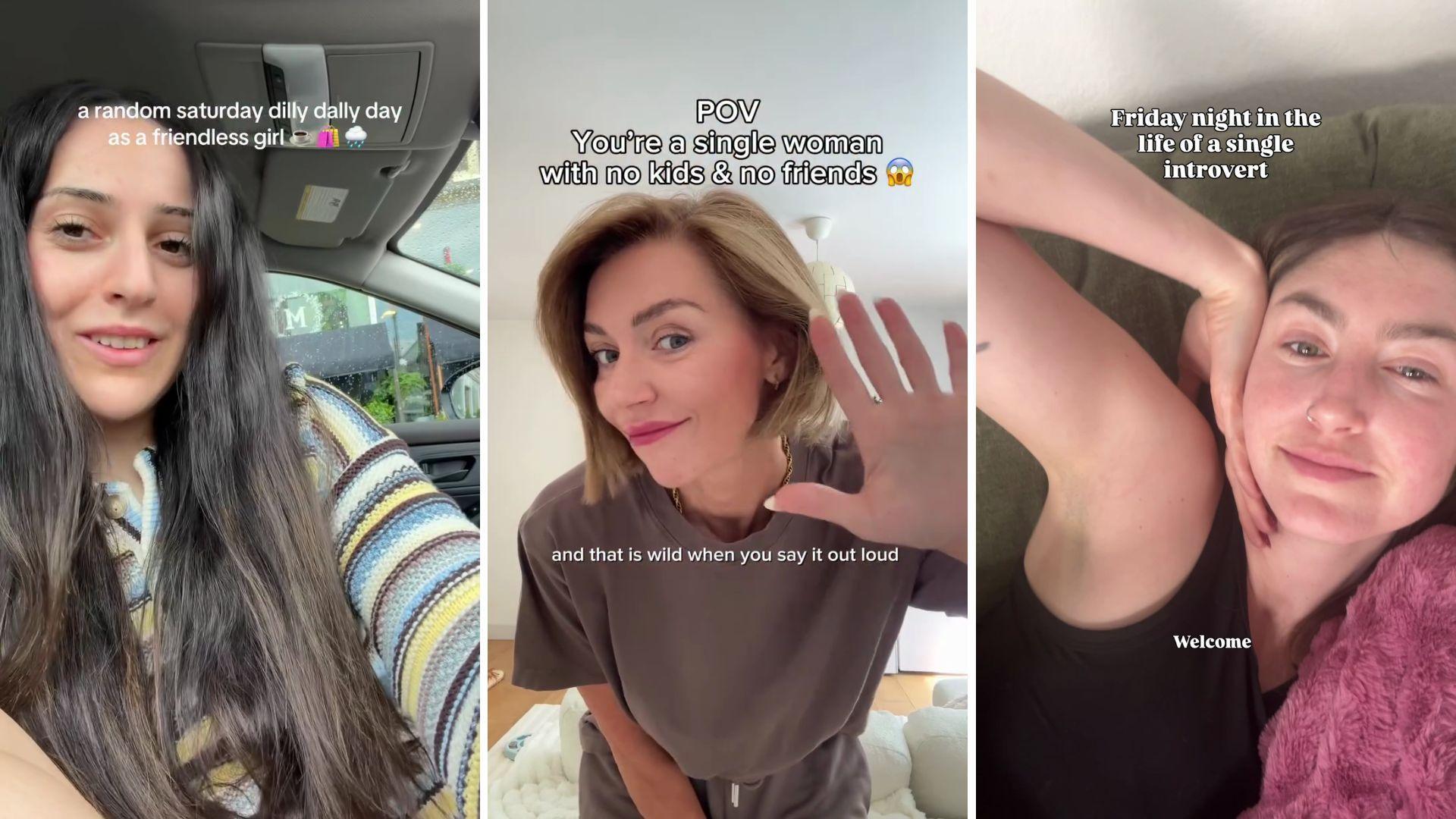
It starts on a Friday evening in a tidy apartment. A woman, Lana Isa, unloads groceries, lights a candle, and eats a pizza while the city’s lights flicker outside. The clip, originally shared as a POV video on TikTok, has now gone viral with seven million views, showing a lifestyle that celebrates peaceful solitude rather than traditional socialising.
Isa, a software sales manager in Toronto, began posting a series of videos that detail her nightly self‑care rituals, late‑night fast‑food drives, and even the awkward moment of being locked out at night. Her content quickly grew from a two‑thousand‑follower start on TikTok to 175,000, as locals and global users resonate with the honesty of living without a social circle.
Many commenters explain that they have never seen their silent, solo life reflected on screen. “It feels like you’re finally seen,” says one viewer who has been living alone for years. The forums and comment sections are full of people sharing similar experiences, turning loneliness into a community‑building activity.
Critics, however, argue that the trend romanticises self‑isolation and encourages “cosy defeatism.” Researchers point out that while independence has value, people need social connection for long‑term wellbeing. A University of Sydney epidemiologist explains, “We are a social species; companionship improves mental and physical health, even if we choose to spend more time alone.”
In the U.S., influencers like Devon Noehring and SJ Hoadley share similar themes. Noehring, who lives in Phoenix, calls herself an introvert and emphasises that being alone is a source of freedom. “It’s the exact opposite of the stereotype that being alone equals loneliness,” she says. Meanwhile, Hoadley, who works as a cleaner in the UK, found her community after following Isa’s videos. “We’re not lonely,” she claims, and the relationship she forged online has motivated her to look for a future group of friends, whether online or offline.
Experts in online community building, such as Dr Anne Oeldorf‑Hirsch from the University of Connecticut, note that these influencers disrupt the prevailing narrative of constant highlight reels. “People crave authenticity,” she says. “The rise of solo content provides balance to the hyper‑glamourised influencer model.”
The movement has opened a space where being alone can be a choice, an act of self‑care, and a pathway to self‑discovery. Though critics highlight the risk of excessive isolation, the community built around these creators shows that loneliness can be reframed as an opportunity to find individuals who share similar lifestyles and values.
Image source: @lanasololife | @lanasololife