Six Missing on Medical Flight Through Atlantic; Bodies Presumed Dead
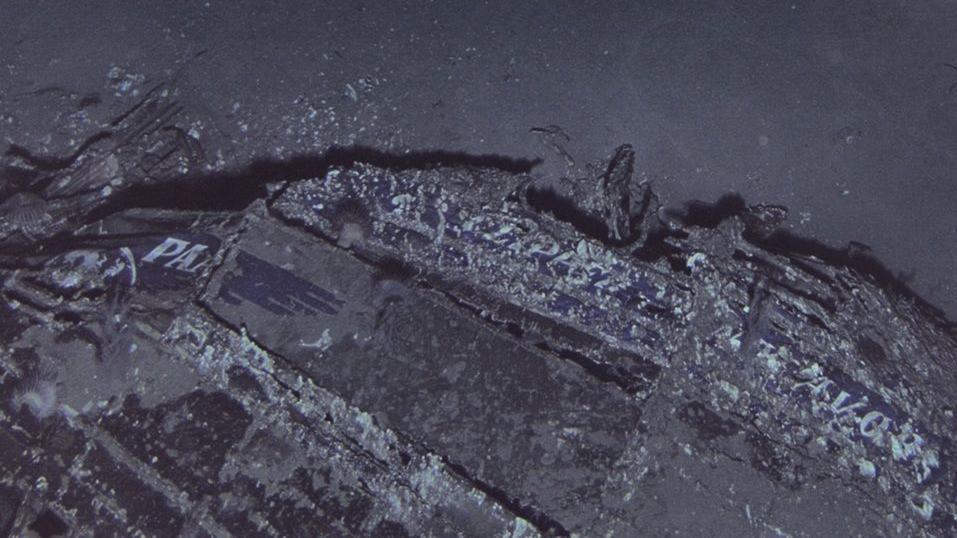
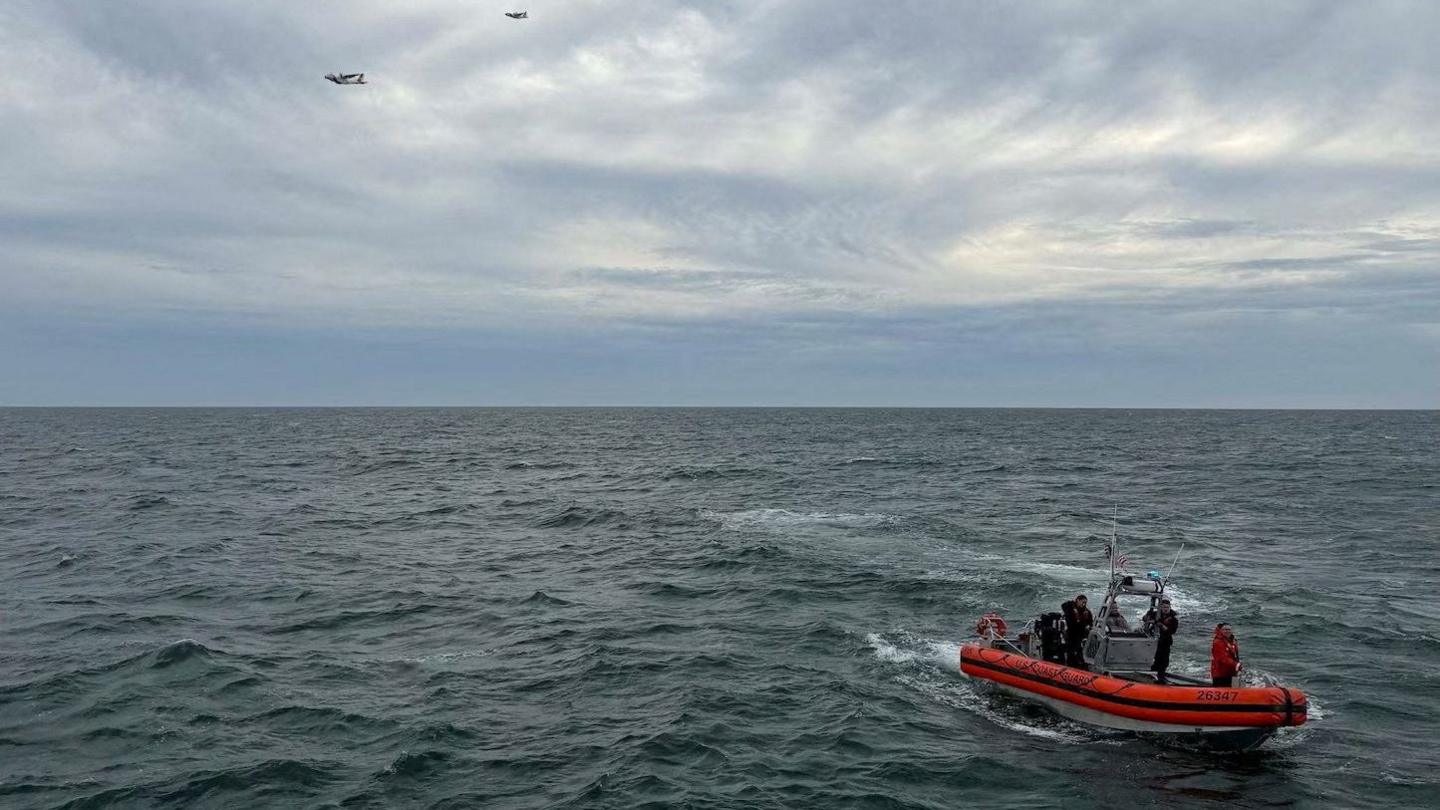
A Gulfstream G‑100 medical transport, designated Heartbeat 104 and operated by Canadian company Latitude Air Ambulance, crashed on 5 October while en route from Bermuda’s L.F. Wade International Airport to Boston’s Logan International Airport. Six people were aboard: two Bermudian nationals, four Canadian nationals, a patient and a family escort. The aircraft lost contact with air traffic control shortly after 01:00 local time, and authorities recovered a debris field later that night. The U.S. Coast Guard officially concluded its search on Sunday evening, declaring no survivors and that the six occupants were presumed dead.
Latitude Air Ambulance released a statement following the search, noting the loss of “four members of our Latitude team, our patient and the patient’s family escort.” President Peter Byl said the company would continue to support the families and cooperate fully with ongoing investigations. The airline emphasized that determining the cause of such accidents is a meticulous process and that speculation should be avoided.
Flight data revealed the aircraft descended sharply from about 7,300 m (24,000 ft) to 3,300 m (11,000 ft) before communications failed. Radio transcripts captured a tense exchange with Boston air‑traffic controllers, who requested an emergency declaration. An area fire dispatcher had also been alerted to a possible “electrical issue” just after 01:00 EDT. The aircraft was returning a patient from Bermuda; both pilots and medical staff were Canadian, and the flight had departed at 23:40 local time Friday night.
The tragedy has reignited conversations about the safety protocols for long‑haul medical evacuations, especially over remote oceanic routes. Authorities and aviation regulators will review the incident to identify any systemic failures and improve safety measures for future air‑ambulance operations.